
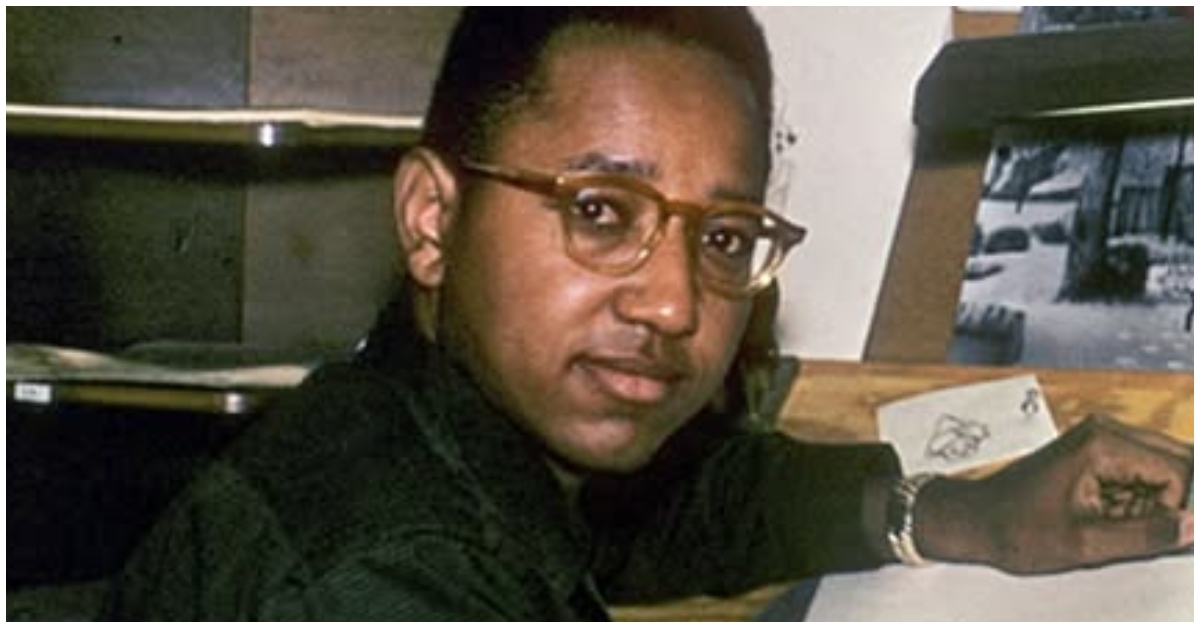
Floyd Norman helped shape some of the most beloved animated films in Hollywood after joining Disney in 1957 as the studio’s first Black cartoonist. Over a career spanning more than seven decades, Norman worked on legendary projects including Sleeping Beauty, The Jungle Book, Mulan, Toy Story 2, and Monsters, Inc..
His story remains one of the most inspiring journeys in animation history. Norman entered the industry during a time when opportunities for Black artists were extremely limited. Yet, his talent, humor, and storytelling skills helped him earn respect across Disney and the wider animation world.
Floyd Norman’s Childhood Dream Led Him to Disney
Norman was born on June 22, 1935, in Santa Barbara. As a child, he loved animated classics like Dumbo and Bambi. Those films sparked his imagination and inspired him to dream about working for Disney one day.
Growing up in Southern California also gave him occasional glimpses of the Disney studio in Burbank. According to Norman, his father often pointed out the “Mickey Mouse factory” during family trips. That simple moment stayed with him for years.
After high school, Norman applied to Disney but was rejected. However, the studio encouraged him to improve his skills and return later. His grandmother supported his dream and enrolled him at the ArtCenter College of Design, where he studied illustration and developed his artistic talent.
Floyd Norman Joined Disney During Animation’s Golden Era
Norman finally entered Disney in 1957. He started as an assistant in-betweener, one of the lowest artistic roles at the studio. Still, the opportunity meant everything to him.
His first major project was Sleeping Beauty. The film later became one of Disney’s most respected animated classics because of its detailed artwork and ambitious visual style.
Norman joined Disney while the famous “Nine Old Men” were leading the company’s golden age of animation. These legendary artists mentored younger talent and helped shape Disney’s creative future. Norman learned directly from some of the greatest animators in history.
One animator who strongly supported him was Ward Kimball. Kimball reportedly defended Norman when issues involving race surfaced inside the studio. Norman later remembered that support with gratitude.
Floyd Norman Worked on Disney Films That Defined Generations
After serving briefly in the military in 1960, Norman returned to Disney and continued working on major productions. His credits expanded to include One Hundred and One Dalmatians, The Sword in the Stone, and animated sequences in Mary Poppins.
However, one of his biggest breakthroughs came with The Jungle Book. Norman’s humorous sketches around the studio reportedly caught the attention of Walt Disney himself.
Disney personally invited Norman to help develop story ideas for the film. Norman worked closely with director Woolie Reitherman and contributed storyboard sequences featuring Mowgli, Shere Khan, and Kaa.
After Norman pitched one scene, Walt Disney reportedly responded, “that’ll work,” which was considered high praise inside the studio.
Floyd Norman Helped Launch the First Black Owned Animation Studio
Following Walt Disney’s death in 1966, Norman decided to explore new opportunities. He teamed up with animator Leo Sullivan to launch Vignette Films, recognized as the first Black owned animation production company.
The company created educational films about important Black historical figures, including George Washington Carver and Booker T. Washington. The studio also documented moments connected to the civil rights movement.
At the same time, Vignette Films worked on entertainment projects. Norman and Sullivan contributed to the animated special Fat Albert and the Cosby Kids and helped create the animated opening for Soul Train.
Although the company later struggled financially, Norman’s work there expanded opportunities for Black creators in animation and television.
Floyd Norman Continued Inspiring Animation at Disney and Pixar
Norman later returned to Disney several times during his career. He contributed to projects like Robin Hood, The Hunchback of Notre Dame, and Mulan.
He also spent years writing Mickey Mouse comic strips. Even after leaving Disney again, Norman’s creativity remained in high demand throughout the animation industry.
During the 1990s and early 2000s, Norman shared his storytelling skills with a younger generation at Pixar. He worked as a story artist on Toy Story 2 and Monsters, Inc..
His ability to adapt to changing animation technology impressed many younger artists entering the field.
Floyd Norman’s Legacy Continues to Inspire Black Creators
Norman’s achievements earned him major honors throughout his career. He entered the Black Filmmakers Hall of Fame in 1979 and later received the prestigious Disney Legend award in 2007.
He also received the Winsor McCay Award for lifetime contributions to animation and was inducted into the Society of Illustrators Hall of Fame in 2021.
Even in his later years, Norman continued creating artwork, writing books, and mentoring younger animators. His 2016 documentary, Floyd Norman: An Animated Life, introduced his remarkable journey to a wider audience.
Today, Floyd Norman remains one of the most respected voices in animation. His work helped shape Disney storytelling across generations while opening doors for Black artists in the entertainment industry.





Leave a Reply