
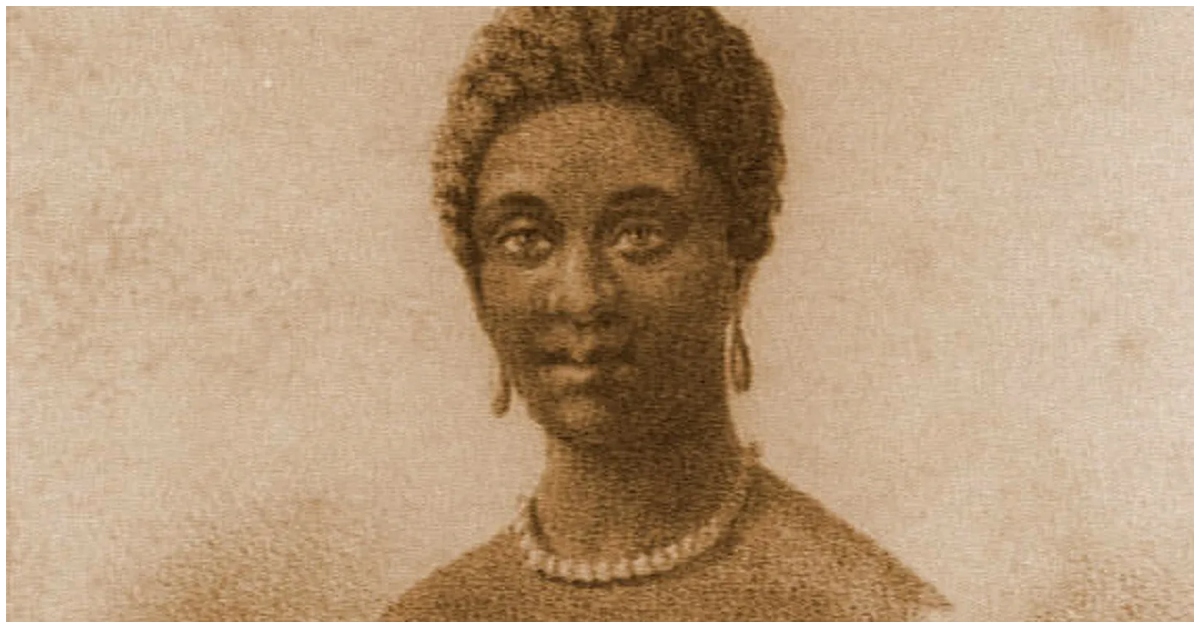
Phillis Wheatley’s Historic Poetry and Boston Test of Talent
The story of Phillis Wheatley stands as one of the most powerful early voices in American literature. She became the first enslaved African woman to publish a book of poetry. Her collection, Poems on Various Subjects: Religious and Moral, appeared in 1773.
Her work gained attention across the Atlantic world. Influential thinkers like Voltaire praised her talent. Even leading figures in America noticed her writing. This included Benjamin Franklin and other elite readers in Boston.
Her poems showed deep knowledge of religion, morality, and classical ideas. At a time when many doubted Black intellectual ability, her writing challenged those beliefs. As a result, she became both celebrated and heavily scrutinized.
Forced Examination Before Boston Scholars and Attestation
Before her book could be published, Wheatley faced an unusual demand. She had to prove she truly wrote her poems. This was done before a group of Boston’s respected men. The process reflected the racial attitudes of the time.
Historian Henry Louis Gates Jr. described the moment as a kind of trial. He said, “She is on trial and so is her race.” This test was not just about poetry. It was also about proving her humanity in a society shaped by slavery.
Eighteen Boston men eventually signed an attestation confirming her authorship. Among them was John Hancock. They declared that the poems were written by “Phillis, a young Negro Girl.” This approval allowed her book to be published.
From Kidnapping in West Africa to Literary Fame in Boston
Wheatley was born around 1753 in West Africa. She was kidnapped as a child and brought to Boston on a slave ship. She was sold to the Wheatley family, who renamed her Phillis.
Despite her condition, she quickly showed intelligence and curiosity. She learned English, Latin, and classical subjects. She studied literature, astronomy, and geography under the guidance of her enslavers’ family.
Her early poems gained attention in 1770. One elegy for George Whitefield spread across the Atlantic world. This growing recognition helped establish her as a rare literary figure in colonial America.
Connection with Founding Fathers and Early American Leaders
Wheatley’s life intersected with major figures of American history. She wrote a poem for General George Washington. He responded by praising her poetic talent and imagination.
She also exchanged recognition with influential leaders of the Revolution era. Her attestation included elite Boston figures tied to early American politics. These connections placed her in the intellectual circles of the time.
Her work reached audiences in both America and Europe. She became a symbol of debate about race, intelligence, and freedom. Her poetry forced powerful readers to confront uncomfortable truths.
Marriage, Hardship, and Lost Works
After her book was published, Wheatley gained freedom in 1773. However, her life did not become easier. She later married John Peters, a free Black businessman.
Financial hardship followed the American Revolution. Her husband struggled economically. The couple faced poverty and instability in Boston.
During this time, she continued writing. Scholars believe she may have produced nearly 150 poems. Sadly, most of these works were never recovered or published.
Legacy, Debate, and Modern Understanding
After her death in 1784, Wheatley’s legacy remained powerful. She died at only 31 years old, in poverty. Yet her work continued to influence debates about slavery and race.
Some critics, including Thomas Jefferson, dismissed her talent. He wrote that her poems were “below the dignity of criticism.” Others used her work to argue against slavery.
Modern scholars have reexamined her legacy. Figures like Henry Louis Gates Jr. argue her writings show deeper resistance and intelligence than previously recognized. Today, she is widely studied in universities.
Her story remains central to American literary history. She stands as a reminder of talent shaped under extreme oppression. Her voice continues to inspire discussions about freedom, identity, and expression.





Leave a Reply