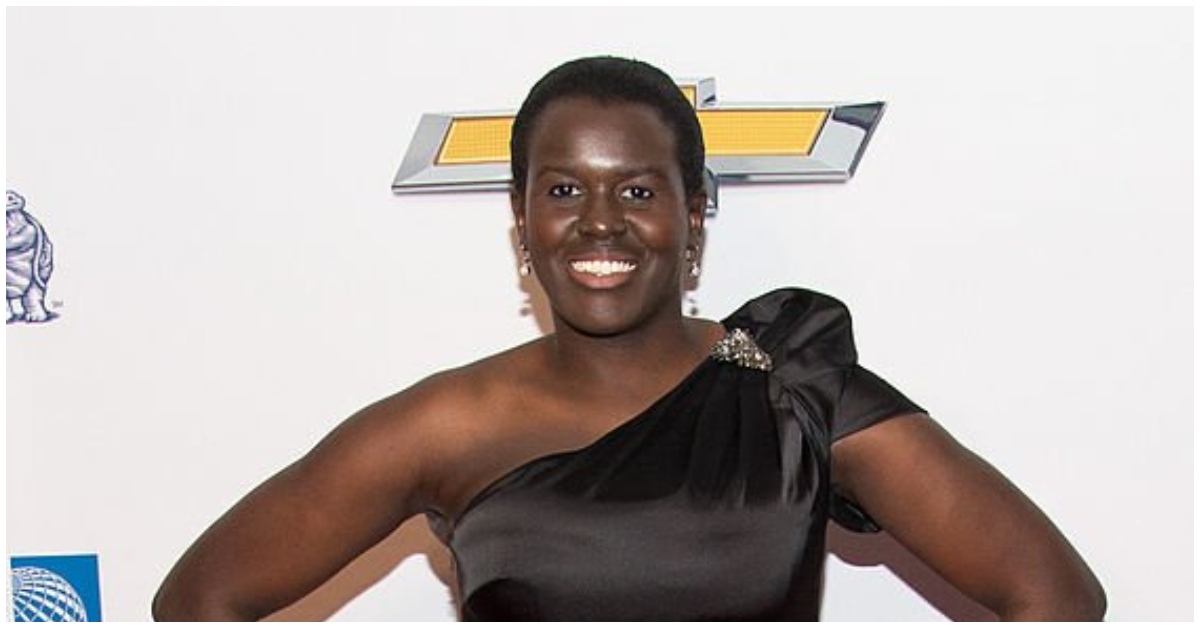
Atima Omara and Her Historic Leadership in the Young Democrats of America
Atima Omara served as the first Black president of the Young Democrats of America. Her leadership role placed her at the center of youth political organizing in the United States.
She also held the position of vice president before running for the top office. Her record included fundraising work, coalition building, and program coordination. These achievements were widely recognized before her presidential campaign began.
However, her rise to leadership also exposed the different expectations placed on Black women in politics. Her experience later shaped her reflections on political bias and leadership pressure.
Gender and Racial Pressure in Political Campaigns
Omara’s campaign experience revealed how quickly narratives can shift in political spaces. Before her run, she was described as effective and reliable. During the campaign, she was labeled “difficult” and “mean.”
She later explained that this shift was not unusual for women candidates. However, she noted that Black women often face stronger and more layered criticism. These judgments can focus on personality rather than performance.
At the same time, she competed in a crowded primary with multiple candidates. Even so, the focus often moved away from qualifications and toward character assumptions.
Likability Expectations and Double Standards in Politics
Omara highlighted a key issue in political behavior. Voters often expect women candidates to be likable. However, men are not held to the same standard.
She shared that she received support from a delegation leader after a supporter of her opponent used insulting language toward her. Still, she continued to engage directly with voters to challenge negative perceptions.
Her experience shows how reputation can influence electoral outcomes. It also shows how gendered expectations shape political judgments in subtle but powerful ways.
Black Women, Work Ethic Stereotypes, and Campaign Narratives
Omara also pointed to stereotypes about Black women during her campaign. While she was seen as competent, some narratives questioned her work ethic. This contrasted with her known record of achievement.
She linked this to broader stereotypes that affect Black professionals in leadership roles. These assumptions can reduce perceived credibility, even when evidence shows strong performance.
As she reflected later, these patterns are not isolated. They are part of wider systems that influence how Black women are evaluated in public life.
Research on Representation and Legislative Impact
Studies referenced in her work show that Black women legislators often focus on broad community needs. They are especially active in addressing poverty and social welfare issues.
Research also suggests that Black women often lead on policies affecting multiple marginalized groups. Latina women were noted as a close group in similar patterns of legislative engagement.
These findings support the argument that representation shapes policy outcomes. In short, more Black women in office can expand the focus of governance.
Building the Next Generation of Political Leaders
Omara also emphasized the importance of younger political leaders. She pointed to figures such as Kamala Harris, Stacey Abrams, and Ayanna Pressley.
She noted that each of these leaders built experience over time. Their early political involvement helped shape their long-term leadership roles.
She argued that earlier entry into politics can strengthen long-term impact. It also helps build credibility for higher office.
The Push for a More Inclusive Political System
Omara concluded that meaningful change requires structural shifts. These include changes in donor behavior, media framing, and campaign support systems.
She stressed that voter support for Black women has improved over time. However, she said it still needs stronger institutional backing to become sustainable.
Her experience reflects a larger call for an inclusive democracy. One where leadership reflects the full diversity of the population.