Cal Poly’s Black student leaders are calling for stronger representation on campus. This comes as Black student enrollment remains under 1 percent in 2025. At the same time, the university continues to expand its Hispanic-Serving Institution goals.
The discussion is raising wider questions about equity across different student groups. Students say progress for one group should not mean neglect for others. The conversation is now central in campus diversity debates.
Black Student Leaders Call for Stronger Campus Representation
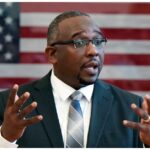
Black Student Union leaders say Black students are still underrepresented at Cal Poly. Vice president Izzy Pérez Pedraza says many students feel they were never fully included in campus priorities.
He said, “I don’t think we’re sidelined because we were never in the game.” His comments reflect frustration about long standing low enrollment numbers. Black student enrollment was 0.8 percent in 2025.
Students also point to gaps in faculty and curriculum. Some departments still have no Black faculty members. Others are only beginning to hire Black academics.
Black Enrollment at Cal Poly Remains Below 1 Percent
Data from Cal Poly Institutional Research shows slow growth in Black enrollment. In 2020, the figure was 0.5 percent. By 2025, it rose slightly to 0.8 percent.
Students say the increase is not enough to reflect California’s diversity. They argue that representation should be stronger at both student and staff levels. Many say visibility matters for belonging.
Pedraza also noted that even hiring efforts have limits. He said some diversity hires still appear not fully representative. This has raised questions about how inclusion is being measured.
Diversity Programs and Black Student Success Initiative
Black Student Success Initiative is one of the main efforts aimed at improving Black representation. It is run by the Department of Culture and Institutional Excellence and the Office of the Provost.
The program focuses on reducing isolation and bias. It also supports outreach and hiring efforts. However, students say results are still unclear.
Pedraza said the initiative may have helped slightly. However, he added that it is not the main driver of change. Many students still feel underrepresented in daily campus life.
HSI Goals Raise Questions About Broader Equity
Cal Poly is also working toward becoming a Hispanic-Serving Institution. The goal requires increased Latino enrollment and access to federal support. Latino enrollment reached 25 percent in 2024 and 28.8 percent in 2025.
Cal Poly created a task force in 2022 to support this effort. The progress has been steady and measurable. However, it has also sparked wider questions.
Some students ask whether other groups receive the same focus. They argue that equity should include all underrepresented communities. The debate continues as enrollment strategies expand.
University Response and Ongoing Commitment to Diversity
University officials say diversity remains a priority. A spokesperson said Cal Poly aims to reflect California’s population. The university also acknowledged that more work is needed.
They added that efforts will continue to improve over time. This includes attracting a broader range of applicants. Leaders say the process is ongoing and evolving.
For student leaders, however, change feels slow. They want faster action and clearer results. The conversation around representation is expected to continue across campus.