A Minneapolis Street Now Honors a Civil Rights Trailblazer
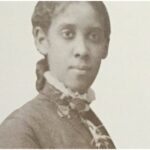
A Minneapolis street once named after segregationist Edmund Walton now carries the name of a woman who fought against his legacy. The newly unveiled Lena Smith Boulevard honors Lena Olive Smith, Minnesota’s first Black female attorney, who spent her life fighting housing discrimination and racial injustice.
Walton, a real estate developer, wrote the city’s first racial covenant in 1910, restricting Black families from owning homes in certain neighborhoods. Over a century later, that legacy has been replaced with Smith’s story — one of resilience, justice, and empowerment.
Residents of the Longfellow neighborhood gathered on Saturday to celebrate the change at the intersection of West River Parkway and 36th Street. The event marked the community’s commitment to uplifting voices long ignored by history.
Community Leaders Celebrate a Victory for Inclusion
Former Minneapolis Mayor Sharon Sayles Belton, who has lived on the street since 1995, described the renaming as a victory for the community’s conscience.
“We no longer want to honor a man who did so much harm in our community,” she said. “We want to elevate the memory of someone who made such a positive contribution to our community, and that’s Lena Smith.”
Longtime resident Lisa Boyd, who has lived in Longfellow for 21 years, said the change reflects the city’s shared values. “The value of uplifting someone like Lena Smith, who’s been ignored by history for so long, and being able to educate people about her work and honor her legacy — that’s Minneapolis leadership in a nutshell.”
A Grassroots Effort to Reclaim History
The movement to rename the street began in 2020 through the neighborhood coalition Reclaiming Edmund. The group wanted to replace a name tied to racial segregation with one that reflects justice and inclusion.
Joseph Larsen, one of the group’s founding members, said the change was about reclaiming community identity. “Edmund was never a street that was chosen by anyone that lived here,” Larsen explained. “He was a real estate developer who put his own name on the street, and we thought that it’s time to see a change that reflects the values of this community.”
Local resident Bobbi Erichsen, who lives two blocks away, said the community’s dedication inspired her. “I’ve just never seen this much care from people in a community,” she said. “It’s really inspired me to also come and get organized.”
Lena Olive Smith’s Enduring Legacy in Civil Rights
Lena Olive Smith made history in 1921 when she became Minnesota’s first Black woman attorney. She used her career to challenge housing discrimination, racial violence, and unequal treatment under the law.
According to MNopedia, she helped found the Minneapolis Urban League in 1925 and later became the first woman to lead the local NAACP chapter. Her home at 3905 Fifth Avenue South, where she lived most of her adult life, is now listed on the National Register of Historic Places.
Her impact continues to shape the city’s understanding of justice. By honoring Smith, Minneapolis is not just renaming a street — it is rewriting a chapter of its history to recognize a woman who demanded equality when few others did.