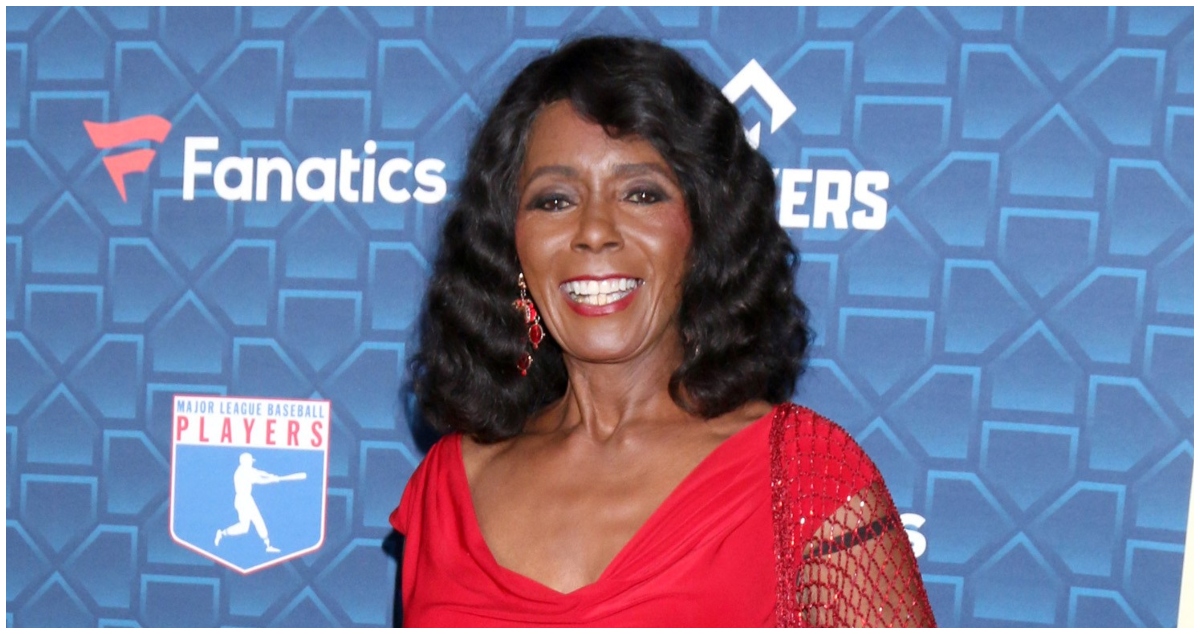
Judy Pace Shines as a Trailblazing Model in the EBONY Fashion Fair
Judy Pace, who passed away peacefully at 83 on March 11, 2026, left a legacy that reshaped both fashion and Hollywood. At just 18 years old, she became the youngest model ever chosen for the EBONY Fashion Fair national tour in 1961. This traveling celebration of Black beauty, led by Eunice Johnson, drew thousands of Black women and girls to arenas and ballrooms across the country at a time when mainstream fashion rarely acknowledged their existence.
Her presence on the stage was deliberate, poised, and magnetic. She became a symbol of pride for Black communities, showing that Black women could define beauty on their own terms. Her modeling career laid the groundwork for future generations, and her role as the first “Black Barbie” cemented her influence in the industry.
Hollywood Calls: The First Black Actress Signed to a Major Studio
Though Judy Pace hadn’t sought a career in Hollywood, director William Castle noticed her in EBONY magazine and cast her in 13 Frightened Girls in 1963, making her the first Black actress signed to a major motion picture studio contract. This historic achievement opened doors at a time when opportunities for Black actresses were extremely limited.
From there, Pace began building a career that challenged the norms of Hollywood. She moved seamlessly between modeling, television, and film, earning respect for her versatility and talent. “Hollywood came looking for her,” many observers note, as she consistently commanded attention without compromising her identity.
Making Television History: Primetime’s First Black Villainess
In 1968, Judy Pace became the first Black villainess on American primetime television, playing Vickie Fletcher on Peyton Place. Her portrayal of a manipulative, backstabbing character was groundbreaking. “I had a ball playing the manipulative, cheating, backstabber who ruins the life of everyone who crosses her path,” she once said.
Her performance went beyond entertainment—it represented resistance and complexity. Black women on television rarely had the chance to play multi-dimensional characters, and Pace’s role proved that audiences could accept and even celebrate a Black woman in a morally complex role.
Expanding Influence: Modeling, Advertising, and Iconic TV Films
Beyond her trailblazing roles, Pace continued to make history. She was the first Black bachelorette on The Dating Game, the first model in a continuing Pepsi campaign, and a mainstay in Fashion Fair Cosmetics advertising. Her work earned her the NAACP Image Award for The Young Lawyers in 1970.
Pace also starred in iconic films such as Cotton Comes to Harlem and Brian’s Song, the latter drawing an estimated 50 to 60 million viewers in a single 1971 broadcast—still counted as one of the most-watched television films in U.S. history. She consistently brought depth, charisma, and authenticity to every project.
Legacy Beyond Screen and Stage
Judy Pace grew up in Los Angeles, the daughter of Mississippi transplants. Her mother, a dressmaker, ran Kitty’s Place, the largest Black-owned ladies apparel shop west of the Mississippi. The boutique welcomed celebrities like Nichelle Nichols, Sarah Vaughan, and Maria Cole, but also ordinary customers, emphasizing inclusivity and freedom of expression.
Her influence extended through her family and community. She married actor Don Mitchell and had two daughters, including actress Julia Pace Mitchell, and later married baseball pioneer Curt Flood, preserving his legacy after his passing in 1997. She also co-founded the Kwanzaa Foundation alongside Nichelle Nichols.
Judy Pace’s life and career reshaped fashion, film, and television for Black women. She was not just a model or actress; she was a foundation on which future generations could build.