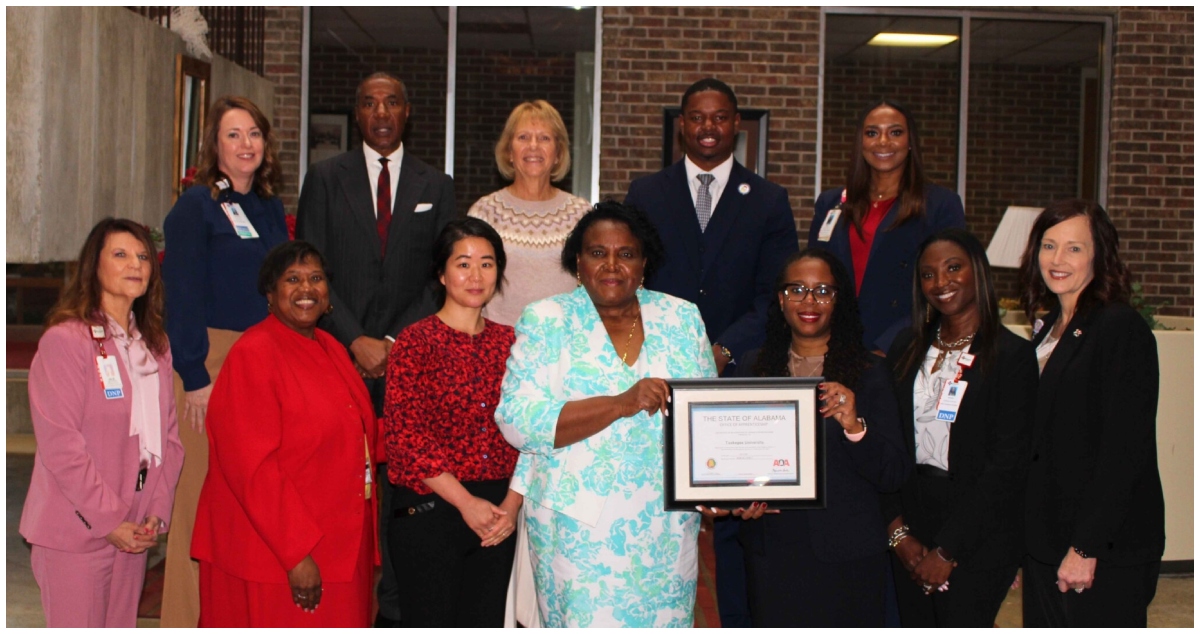
MONTGOMERY, Ala. – Tuskegee University has officially become the first historically Black college or university (HBCU) in Alabama to launch a formal, registered nursing apprenticeship program. This landmark initiative marks a significant shift in how the state prepares its healthcare workforce, combining paid clinical experience with classroom education to build a stronger, more diverse pipeline of nurses .
The new program, developed in partnership with Baptist Health System and certified by the U.S. Department of Labor, allows Tuskegee nursing students to step directly into real hospital environments starting this summer. By integrating structured on-the-job learning with academic study, the apprenticeship ensures that graduates are not only degree-holders but also experienced, practice-ready professionals .
A New Model for Clinical Training: Paid Experience and Mentorship
Unlike traditional nursing programs that often require extensive unpaid clinical hours, the Tuskegee apprenticeship provides students with a critical financial advantage. Participants will earn wages while completing clinical rotations in specialized medical departments. This “earn while you learn” model is designed to reduce financial strain and allow students to focus fully on their development .
Beyond financial compensation, the program pairs each apprentice one-on-one with an experienced registered nurse who serves as a mentor. This individualized guidance is intended to accelerate clinical readiness and build confidence, ensuring students receive the support they need to succeed in high-acuity environments .
“This apprenticeship represents a different way of thinking about how we prepare Alabama’s healthcare workforce,” said Meredith Smith, Director of the Alabama Office of Apprenticeship. “By blending education with paid and structured on-the-job learning, we are expanding opportunity for students while helping healthcare employers build a strong, sustainable talent pipeline” .
Removing Financial Barriers Through Last-Dollar Scholarships
A core component of the initiative is its focus on removing financial barriers that often prevent students from completing their degrees. Baptist Health System is serving as the “last-dollar” scholarship provider for the program. This support covers any remaining tuition costs and eligible educational expenses not already paid by other financial aid, making it possible for more students to cross the finish line without overwhelming debt .
The combination of wages and scholarship support addresses a significant hurdle in nursing education. Many students struggle to balance unpaid clinical hours with the need to work, leading to burnout or attrition. Tuskegee’s model directly tackles this issue by treating students as employees-in-training from the outset .
Building on a Legacy of Nursing Excellence at Tuskegee
This new apprenticeship adds a historic chapter to Tuskegee University’s long legacy of leadership in nursing education. The university’s Department of Nursing was the first baccalaureate nursing program in Alabama and remains one of the oldest continually operating HBCU nursing programs in the country .
“Our Renaissance Era continues to build workforce-aligned pathways that use the powerful resources right in our hands to prepare leaders—faster and better,” said Dr. Mark A. Brown, President and CEO of Tuskegee University. “Alabama and communities across America will benefit as we train the next generation of world-class, compassionate healthcare professionals” .
Tuskegee nurses have historically been “first” and leaders in the field. This program ensures that tradition continues by creating an ecosystem of education, experience, and employment designed to launch impact-ready nurses into communities that desperately need them .
Addressing the National Nursing Shortage in Alabama
The apprenticeship comes at a critical time. The United States is facing one of the most severe nursing shortages in modern history, with national projections showing more than 200,000 openings for registered nurses every year over the next decade. Communities in the South are feeling the strain acutely .
Alabama’s Student Nurse Apprenticeship initiative, which began in March 2022, was created to address these workforce challenges. The program is a collaborative effort involving the Alabama Office of Apprenticeship, the Alabama Community College System, the Alabama Board of Nursing, and private healthcare employers .
With Tuskegee joining the initiative, the program is now offered at more than 30 postsecondary institutions across the state. However, Tuskegee stands out as the first four-year HBCU to participate, broadening access for students seeking baccalaureate-level nursing careers .
“You will set the standard for all who follow,” Dr. Chastity Bradford, Assistant Provost, told the inaugural cohort of apprentices during a ceremony formalizing the partnership. “The future of nursing is in your hands, and we cannot wait to see you shine” .
A Pathway to Leadership for Black Healthcare Professionals
The significance of this program extends beyond workforce numbers; it is fundamentally about representation and health equity. Research consistently shows that Black patients often experience better outcomes and communication when treated by Black healthcare providers. HBCU nursing programs are vital to filling these gaps by producing graduates who bring cultural competence and perspective to the bedside .
By creating a direct pipeline from Tuskegee’s classrooms to Baptist Health System hospitals, the apprenticeship ensures that the next generation of Black healthcare leaders are trained, compensated, and supported locally. The partnership underscores a shared commitment to strengthening Alabama’s healthcare workforce by investing in homegrown talent .
University and state leaders expect the effort to both strengthen the pipeline of trained nurses and expand opportunities for students pursuing careers in healthcare, while simultaneously helping meet Alabama’s growing demand for medical professionals .