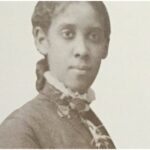
A Zimbabwean woman is being celebrated for a history-making final act of generosity. Rosalie Chigariro has been honored by the University of Zimbabwe as the country’s first Black woman to donate her body to science. Her selfless decision in 2021 provided an unparalleled learning tool for hundreds of future healthcare workers. Consequently, her legacy is now permanently woven into the fabric of the nation’s medical education.
A Historic Act of Service and Learning
Rosalie Chigariro’s extraordinary legacy continues to inspire students and educators. She became the first Black Zimbabwean woman to donate her body to the University of Zimbabwe’s Faculty of Medicine and Health Sciences. Her wish was simple yet profoundly impactful. She aimed to help future doctors and scientists learn through her final act.
The university recently honored Chigariro’s life and contribution. This ceremony occurred after the completion of the medical study of her remains. Her decision, still rare in Zimbabwe and across Africa, has already shaped the education of hundreds of students. These students are training in nursing, physiotherapy, and paramedicine.
The Transformative Gift for Medical Education
Chigariro’s body donation provided an invaluable opportunity for hands-on learning. Students gained practical experience in anatomy and medical research. Furthermore, her contribution supported multiple vital degree programs. These included pharmacy, speech therapy, and occupational therapy.
“The gift of body donation is one of the most profound forms of service to humanity,” said Dr. Josephine Chidaushe, chair of the Department of Biomedical Sciences. “Through her selflessness, Ms. Chigariro became a silent teacher. She helped nurture the next generation of health professionals.” The university community described her contribution as a major milestone. It filled a critical gap in teaching resources for the faculty.
A Personal Journey of Courage and Compassion
Rosalie Chigariro’s motivation came from a lifetime of personal health struggles. Surprisingly, she was born with a condition predicted to limit her life to just a few months. Despite this prognosis, she lived to the age of 64. Her remarkable survival clearly shaped her desire to give back to medicine.
“She wanted her final act to give others the chance to live, learn, and recover,” a family member shared during the ceremony. “That was who she was. She found deep purpose in serving others.” Her choice intentionally challenged deep-rooted cultural taboos. It has inspired new conversations about science and legacy in her community.
A Lasting Legacy for Future Generations
The Faculty of Medicine hosted a moving memorial ceremony for her. Attendees included her family, university officials, and the students she helped. Many described the moment as both emotional and humbling. They recognized that her contribution beautifully bridged science and humanity.
Her former home in Harare now carries a much deeper meaning. It is forever connected to one of Zimbabwe’s most pioneering women. Ultimately, through her immense courage, Rosalie Chigariro has redefined what it means to serve others. Her powerful legacy will undoubtedly shape Zimbabwean medicine for generations to come.