
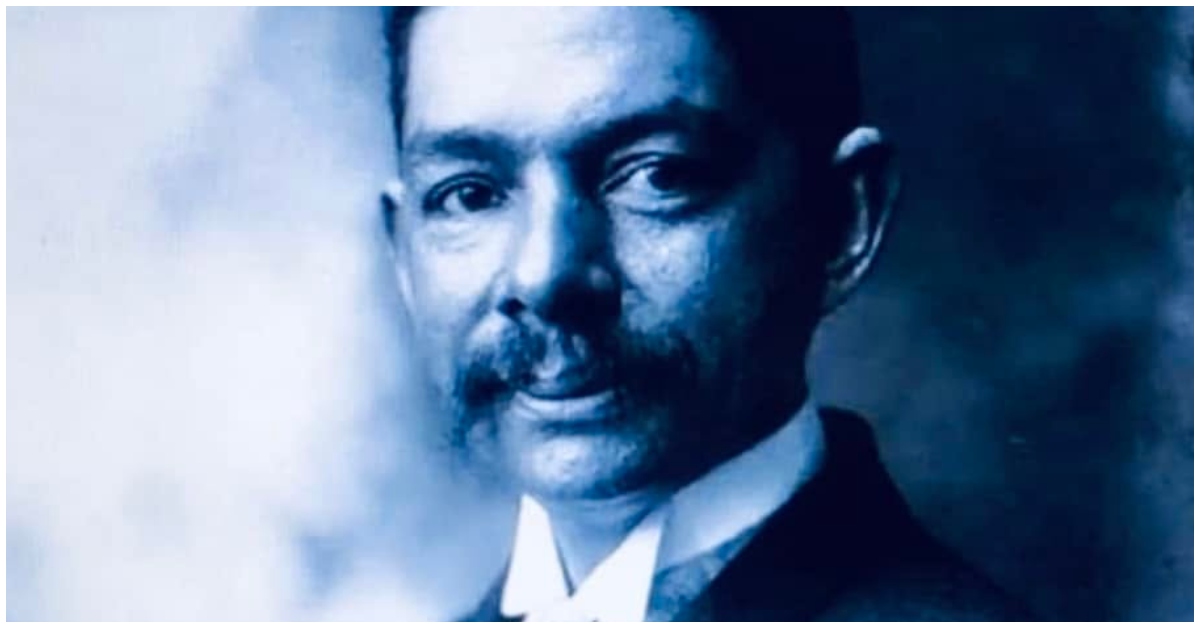
Robert R. Taylor’s influence continues to shape the future of architecture, education, and community development more than a century after his groundbreaking career. As the first Black graduate of the Massachusetts Institute of Technology (MIT), Taylor helped create the architectural foundation of Tuskegee University and inspired generations of designers and builders.
His work was recently highlighted during Tuskegee University’s Facilities & Built Environment Internship Program. The program honored the university’s architectural legacy while preparing new generations of students to solve modern challenges through design, planning, and innovation.
Taylor’s story remains a powerful example of how education and architecture can transform communities. His designs reached beyond campus buildings and helped support Black communities across the United States and abroad.
Robert R. Taylor’s Historic MIT Achievement and Architectural Career
Robert R. Taylor earned recognition as the first Black graduate of MIT, where he completed his studies in architecture in 1892. His achievement opened opportunities for him to use architecture as a tool for community progress.
After graduating, Taylor joined Tuskegee Institute, where he worked closely with founder Booker T. Washington. Washington recruited Taylor to help design and organize the growing campus.
Taylor played a major role in creating buildings that supported Tuskegee’s mission of education and economic advancement. His approach combined practical design with a focus on serving students and communities.
How Robert R. Taylor Helped Shape Tuskegee University’s Campus
Taylor’s architectural contributions became a central part of Tuskegee’s development. He designed and organized many campus structures that reflected the institution’s commitment to learning and self-reliance.
His influence extended beyond Tuskegee’s grounds. Taylor’s work helped shape schools, training centers, and community spaces connected to Black education.
The university’s recent Facilities & Built Environment Internship Program celebrated this tradition. Students explored architecture, construction science, historic preservation, GIS mapping, and redevelopment planning while studying Tuskegee’s past.
Tuskegee Architecture Legacy Inspires New Generation of Builders
The internship program connected students with the university’s Renaissance Era legacy. It was created through partnerships involving the Office of Facilities & Capital Projects, the Robert R. Taylor School of Architecture and Construction Science, and other development initiatives.
Five students participated in the eight-week program. They presented projects focused on campus improvements, community redevelopment, environmental planning, and safety upgrades.
Their work reflected the same values Taylor promoted throughout his career. The students explored how architecture can improve daily life and strengthen communities.
Robert R. Taylor’s Influence on Black Community Development
Taylor’s impact reached far beyond Tuskegee University. His architectural vision contributed to projects that supported education and community growth.
His work included influence on Tuskegee-Rosenwald schools and the Booker Washington Institute in Liberia. These projects showed how architecture could support opportunity and advancement.
Because of his contributions, Taylor remains an important figure in the history of Black architects. His career demonstrated that buildings could serve as foundations for social and economic progress.
Tuskegee Students Continue Building on Taylor’s Vision
During the internship presentations, students reflected on the importance of understanding their connection to the past. Tuskegee President and CEO Dr. Mark A. Brown encouraged them to honor leaders like Taylor.
“Know who you are, where you come from and the debt owed to those who came before you,” Dr. Brown said.
He also described students as “architectural ambassadors” who can help shape safer and stronger communities. His message reflected Taylor’s belief that architecture should serve people.
The Lasting Impact of Robert R. Taylor’s Architectural Legacy
Today, Robert R. Taylor’s name remains connected to excellence in architecture and education. His career continues to inspire students who want to design spaces that improve communities.
Tuskegee’s ongoing programs show that Taylor’s vision is still alive. Students are using modern tools and ideas while building on the foundation he created.
Through education, innovation, and community-focused design, Taylor’s legacy continues to guide future architects. His work remains a reminder that architecture can create lasting change.






Leave a Reply