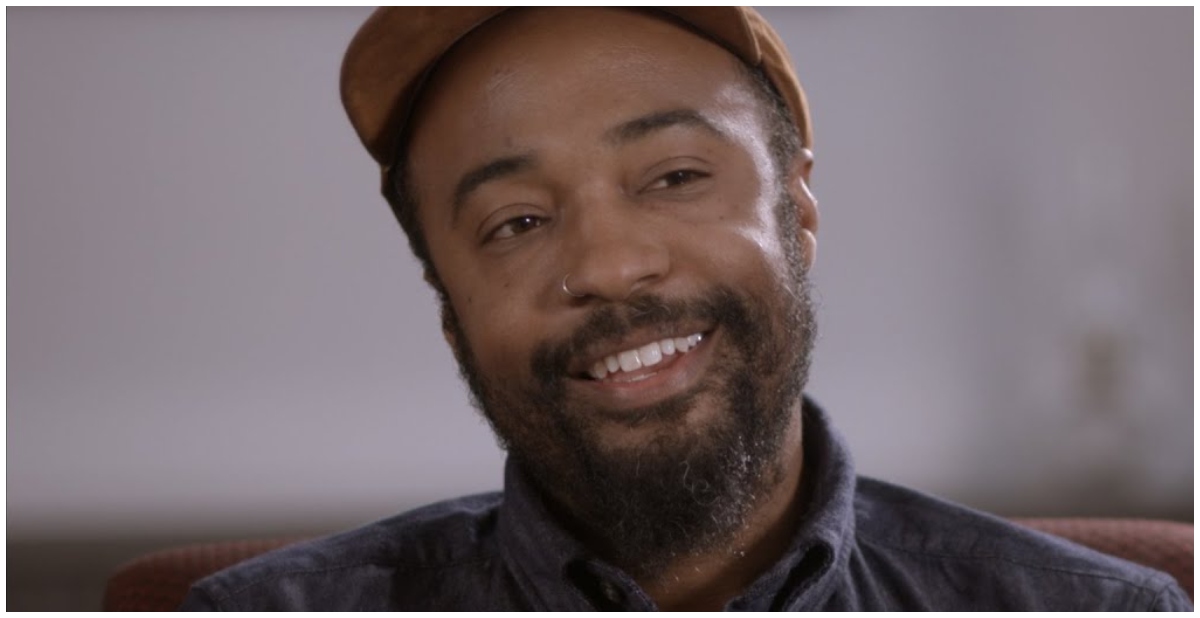
Bradford Young has built a powerful place in Hollywood history. He became the first Black American cinematographer to be nominated for the Academy Award for Best Cinematography for his work on Arrival (2016). At the same time, he also earned recognition from the American Society of Cinematographers, placing him among the most respected visual artists in film.
His nomination marked a major moment for representation in the film industry. It showed that Black cinematographers can lead major Hollywood films at the highest level of artistry and global recognition.
Oscar Nomination for Arrival and Hollywood History Breakthrough
In 2017, Young received an Academy Award nomination for Best Cinematography for the science fiction film Arrival, directed by Denis Villeneuve. This made him the first Black American ever nominated in that category.
At the time, he was also only the second Black man in history to be nominated in cinematography at the Oscars. His work stood out in a highly competitive year, as Arrival earned multiple Oscar nominations across major categories.
The recognition came during a wider conversation in Hollywood about diversity. Many voices in the industry were calling for more inclusion, and Young’s nomination became a strong example of progress in action.
ASC Recognition and Cinematography Achievement
Alongside his Oscar recognition, Bradford Young was also associated with the ASC’s highest standards of cinematography excellence. His work placed him in conversation with top professionals in the field, especially for his artistic approach to visual storytelling.
The ASC has long been one of the most respected organizations for cinematographers. Being recognized within that space showed that Young’s work was not only popular with audiences but also deeply respected by industry experts.
His style in Arrival was known for its soft tones, emotional framing, and careful use of light. These choices helped shape the mood of the film and added emotional depth to the story.
Bradford Young’s Rise in Film Before Arrival
Before Arrival, Young had already built a strong reputation in independent and major cinema. He won awards at the Sundance Film Festival for his cinematography work on films like Pariah (2011), Middle of Nowhere (2012), and Ain’t Them Bodies Saints (2013).
He also worked on major projects such as Ava DuVernay’s film Selma, which helped bring his visual storytelling style to a wider audience. His work is often described as warm, emotional, and deeply connected to human experience.
Director Ava DuVernay once praised his work, saying his images were full and powerful, especially in how they represented people of color on screen. This helped set him apart in an industry where such visual representation was often limited.
Breaking Barriers for Black Cinematographers in Hollywood
Bradford Young has often been described as a barrier breaker in Hollywood. His Oscar nomination challenged long standing limits in the film industry and opened more conversations about who gets to tell big cinematic stories.
His success also inspired younger filmmakers, especially Black cinematographers who rarely saw themselves represented in major awards categories. His recognition proved that technical excellence and artistic vision are not limited by race.
Even after Arrival, Young’s influence continues to be felt. His career remains a reference point for diversity, creativity, and excellence in modern cinematography.
A Lasting Legacy in Cinematography and Visual Storytelling
Today, Bradford Young is remembered not just for one film, but for a body of work that changed how audiences see Black talent behind the camera. His storytelling style continues to influence new generations of filmmakers.
His nomination for Arrival remains a key moment in Oscar history. It represents progress, visibility, and recognition for Black creatives in one of Hollywood’s most technical and competitive fields.
As the industry continues to evolve, his legacy stands as proof that groundbreaking work behind the camera deserves equal celebration on the world stage.