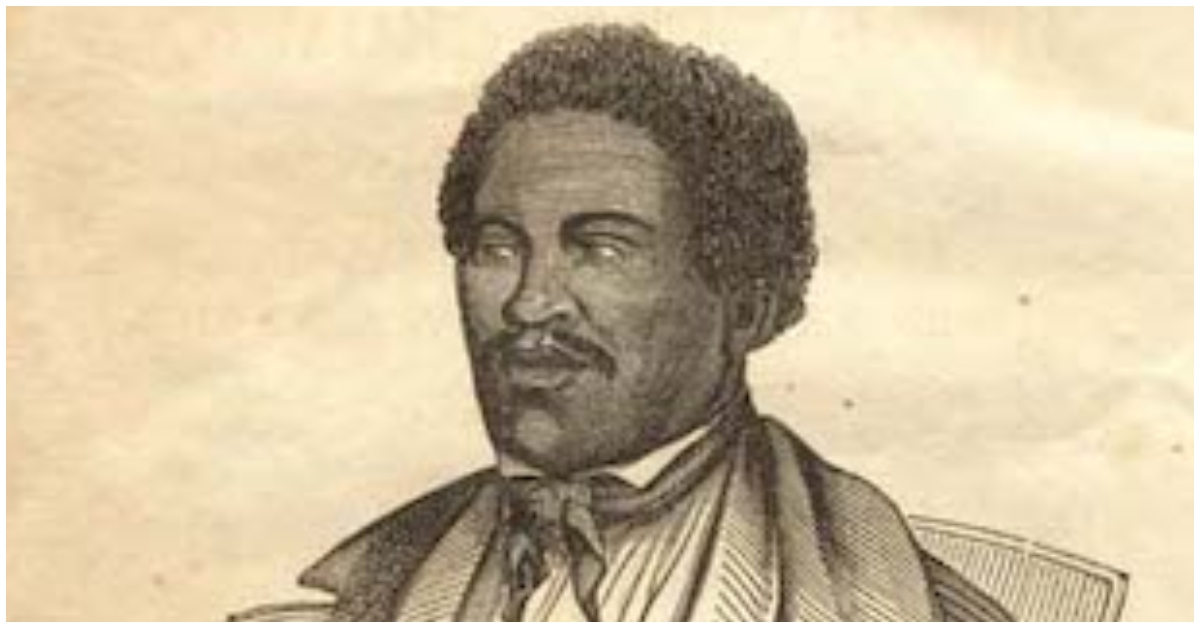
Long before Broadway began embracing more diverse voices, William Alexander Brown created a space where Black performers could tell their own stories. In 1821, he founded America’s first Black theater in Lower Manhattan, giving Black artists a stage during a time when racial discrimination limited their opportunities.
Brown’s vision did more than entertain audiences. It helped lay the foundation for generations of Black actors, playwrights, and performers who continued to shape American theater. His work remains a powerful reminder that Black excellence in the performing arts has deep roots that stretch back more than 200 years.
William Alexander Brown Founded America’s First Black Theater
William Alexander Brown established the African Grove Theatre in Lower Manhattan in 1821. It was the first known Black-owned and Black-operated theater in the United States. At a time when many mainstream venues excluded Black performers and audiences, the theater offered a place where Black creativity could thrive.
The African Grove Theatre featured plays by William Shakespeare alongside original works written by Brown himself. It also welcomed both Black and white audiences, although racial tensions often surrounded its performances. Brown’s work challenged the belief that Black artists did not belong on the American stage.
Black Theater Has Deep Roots in African Culture
Brown’s achievement built on a much older tradition of African storytelling and performance. Across many African societies, including Nigeria, theater has long been expressed through storytelling, poetry, dance, masquerade festivals, and community performances.
Those traditions crossed the Atlantic with enslaved Africans. Despite unimaginable hardships, African Americans preserved performance as a tool for resistance, education, celebration, and survival. These traditions later influenced music, theater, literature, and other art forms across the United States.
Because of that rich cultural heritage, Black participation in theater did not begin with Broadway. It has always been part of Black history and identity.
Black Performers Created Their Own Spaces Despite Exclusion
Although Brown opened an important door, Black performers continued to face enormous barriers. During much of American history, Broadway remained segregated and largely inaccessible to Black audiences. Under Jim Crow laws, Black theatergoers were often forced into separate seating sections or denied equal treatment.
As a result, Black communities created their own theaters and performance spaces. These venues allowed actors, writers, and musicians to develop their craft outside mainstream institutions. However, they often faced hostility.
Historical accounts show that some white audiences disrupted performances through harassment and violence. Rather than protecting Black performers, authorities sometimes arrested them instead of those causing the disturbances. Even so, Black artists continued performing and building strong creative communities.
The Harlem Renaissance Expanded Brown’s Lasting Legacy
Brown’s pioneering work helped inspire future generations of Black artists. During the Harlem Renaissance, African American literature, music, visual arts, and theater experienced remarkable growth. Black creators gained wider recognition while telling stories from their own perspectives.
Even decades later, efforts to diversify American theater often faced resistance. In 1993, Washington’s Arena Stage expanded its productions to include more diverse casts and stories. Some longtime subscribers opposed the changes, describing multiracial casting as “distracting” and expressing openly racist views.
Despite those challenges, Black performers continued pushing the industry forward. Today, many successful actors, directors, playwrights, and producers stand on the foundation that pioneers like William Alexander Brown helped build.
Broadway Still Faces Questions About Access and Representation
Broadway has become more diverse over time, but challenges remain. Ticket prices have risen sharply, making live theater difficult for many families to afford. Recent audience reports have also shown that Broadway audiences remain disproportionately white, partly because of long-standing economic and cultural barriers.
These realities continue conversations about who feels welcome in certain artistic spaces. Recent discussions have highlighted how stereotypes can shape expectations about who belongs in theaters, both on stage and in the audience.
William Alexander Brown’s legacy remains especially important today. His work reminds us that Black artists have always contributed to American theater. Their stories, talents, and achievements have helped shape the performing arts for more than two centuries.