A Trailblazer Returns to Columbia with a Powerful Message
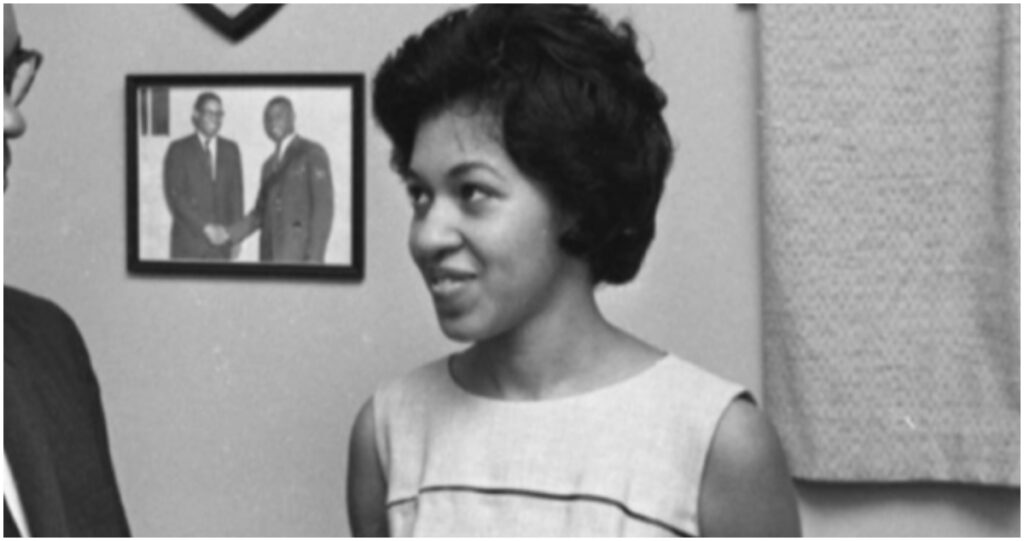
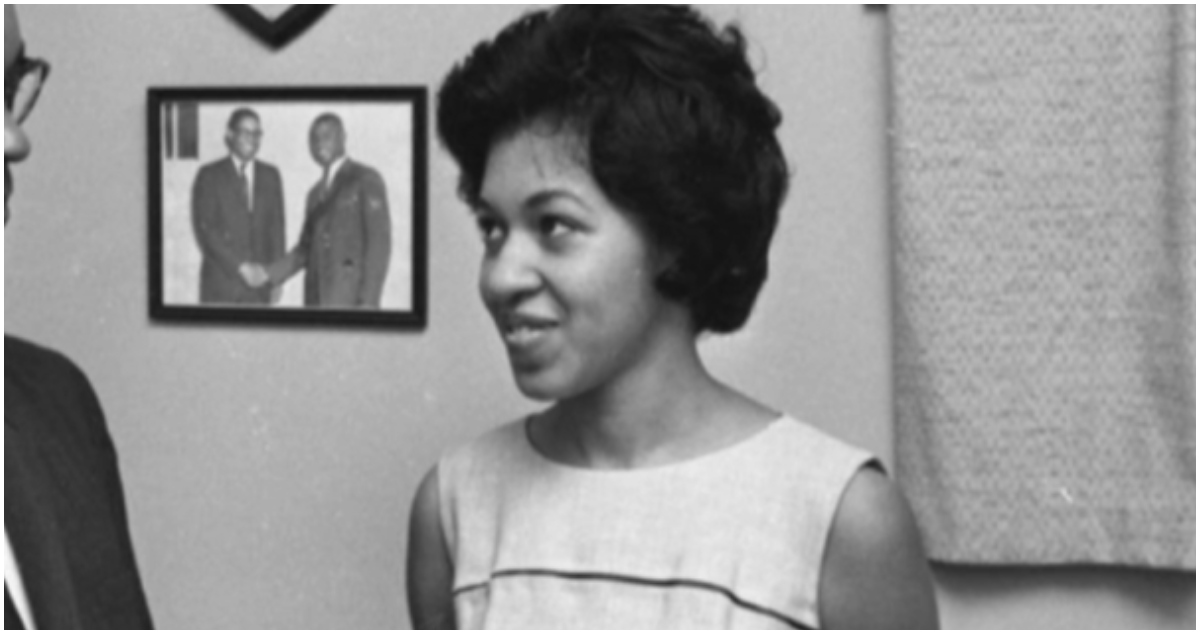
Dr. Henrie Monteith Treadwell, the first Black woman to graduate from the University of South Carolina (USC), returned to Columbia on October 24 to share her story and her mission for justice. She spoke about her new memoir, “Come Along with Me: An African American Woman’s Journey for Justice,” which reflects on her groundbreaking role in higher education and her decades of work in public health.
The event, held at St. Martin de Porres Catholic Church, was moderated by Beryl Dakers, one of South Carolina’s first Black female broadcast journalists. The church held deep meaning for Treadwell. It was where her educational and spiritual foundation began. “This setting taught me that I was no different from anyone else,” she said. “I was a full citizen of South Carolina.”
A Courageous Step Toward Educational Equality
Treadwell’s fight for equality started early. Born in Columbia in 1946, she grew up during the Civil Rights Movement and was surrounded by activism. Her aunt, Modjeska Monteith Simkins, helped shape the landmark Briggs v. Elliott case, which became part of Brown v. Board of Education.
Inspired by that legacy, 16-year-old Treadwell filed a federal lawsuit in 1962 to desegregate USC. She said she didn’t think of it as extraordinary. “I never thought that there was any problem with my age and working for justice,” she recalled. “It never occurred to me that what I was doing was something unusual.”
Her determination opened the door for others. In 1963, she enrolled alongside James Solomon and Robert Anderson, becoming one of the first three Black students admitted to USC since Reconstruction.
From Biochemistry to Global Health Advocacy
Treadwell graduated in 1965 with a degree in biochemistry, but her passion for social justice led her down another path — public health. She focused on improving access to care for marginalized communities who lacked funding and resources.
“What I wanted to do was to address diseases that affect the populations who were marginalized, who did not have funding, who were out in rural areas, who just somehow could not get care,” she said. Her work has since reached communities across the world, from Alabama to Zimbabwe, bringing attention to health equity and racial disparities in care.
A Memoir Rooted in Hope and Action
In her memoir, Treadwell combines her personal journey with a call to action. Through “Come Along with Me,” she invites readers to reflect on justice, equity, and the shared responsibility to uplift every community.
“I want us to go to a place where everyone is valued, where everyone has their worth recognized by their community,” she said. “Where no one is marginalized and we all have our basic needs met.”
The book, now available through the University of South Carolina Press, offers not only a record of her experiences but also a vision for a fairer, healthier world. Treadwell’s story continues to inspire generations determined to make education and health care accessible to all.