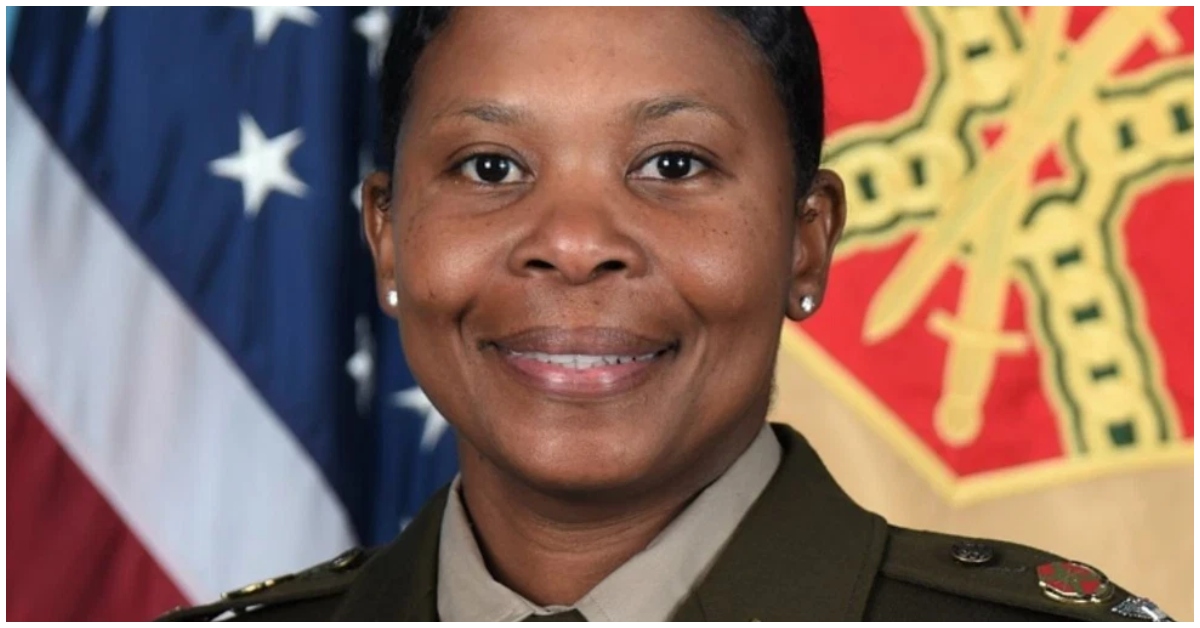
Col. Yolanda Gore has completed her two-year term as the first Black woman to lead Fort George G. Meade. The Maryland military installation has operated for 109 years.
During her farewell ceremony, Gore used her platform to call for more women in military leadership roles. She said women should have opportunities to lead at every level without their achievements being treated as unusual.
“Women leading formations, leading garrisons, leading commands at every level of this Army and this world, it should be so ordinary that no one feels the need to mention it at any podium,” Gore said.
Her leadership at Fort Meade focused on improving services, strengthening community partnerships, and supporting military families. She also guided the installation through difficult challenges, including policy changes and funding issues.
Col. Yolanda Gore’s Historic Fort Meade Leadership Journey
Gore served as the garrison commander of Fort George G. Meade for two years. The role is often compared to being the mayor of the military installation.
As commander, she managed daily operations and worked with military personnel, families, local leaders, and community organizations. Fort Meade is Maryland’s largest employer, with more than 50,000 people working there.
The base is home to major organizations, including the National Security Agency, U.S. Cyber Command, and the Army Field Band. Gore’s position placed her at the center of one of the country’s most important military communities.
First Black Woman Fort Meade Commander Advocates for Women Leaders
Throughout her command, Gore highlighted the importance of women having greater opportunities in the armed forces. She believes female leadership should become a normal part of military life.
Her comments came during a time of national discussion about the role of women in the military. Gore encouraged more women to seek leadership positions and continue building their careers.
During her ceremony, she reflected on the challenges and responsibilities of leading Fort Meade.
“Serving as the garrison commander of Fort George G. Meade has been a blessing and a curse,” Gore said.
Fort Meade Leadership Under Gore Focused on Community Growth
During her time as commander, Gore worked to strengthen Fort Meade’s connections with surrounding communities. She built relationships with local businesses, government leaders, and schools.
She also partnered with Anne Arundel County Public Schools, including the seven schools located inside the installation. These partnerships helped create more opportunities for military families and students.
Additionally, Gore supported new programs focused on workforce development and career preparation. One partnership with the University of Maryland created new opportunities for professional growth.
Col. Gore’s Military Career Included Challenges and Achievements
Gore led Fort Meade through a difficult period for the military community. The installation faced staff reductions, hiring freezes, and funding challenges caused by government disruptions.
Despite those obstacles, she praised her team for continuing to improve services. She highlighted new internship programs, workforce initiatives, and expanded child care support.
Community leaders also recognized Gore’s leadership style. Tim O’Ferrall, general manager of the Fort Meade Alliance, said she was one of the most involved commanders he had seen.
O’Ferrall praised Gore’s ability to connect with the surrounding community while leading an installation known for security and privacy.
Black Women in Military Leadership Continue to Expand Their Impact
Gore’s leadership has drawn attention to the growing role of Black women in the U.S. military. Her service reflects a broader conversation about representation and opportunity within armed forces leadership.
Gina Stewart, executive director of the BWI Business Partnership, described Gore’s command as inspiring.
“It was inspiring to have a woman commander,” Stewart said.
Gore’s approach focused on service, teamwork, and creating opportunities for others. She showed that military leadership involves both managing operations and building relationships.
Yolanda Gore Prepares for Retirement After 30 Years in Army Service
After nearly 30 years in the Army, Gore plans to retire on Dec. 1. Her military career includes decades of service, leadership, and commitment to the armed forces.
As she leaves Fort Meade, she hopes future generations of women will see military leadership as a normal path.
Her message remains clear: women should have the chance to lead, serve, and shape the future of the military.
Gore’s time at Fort Meade will be remembered for expanding community connections and encouraging more women to pursue leadership roles.