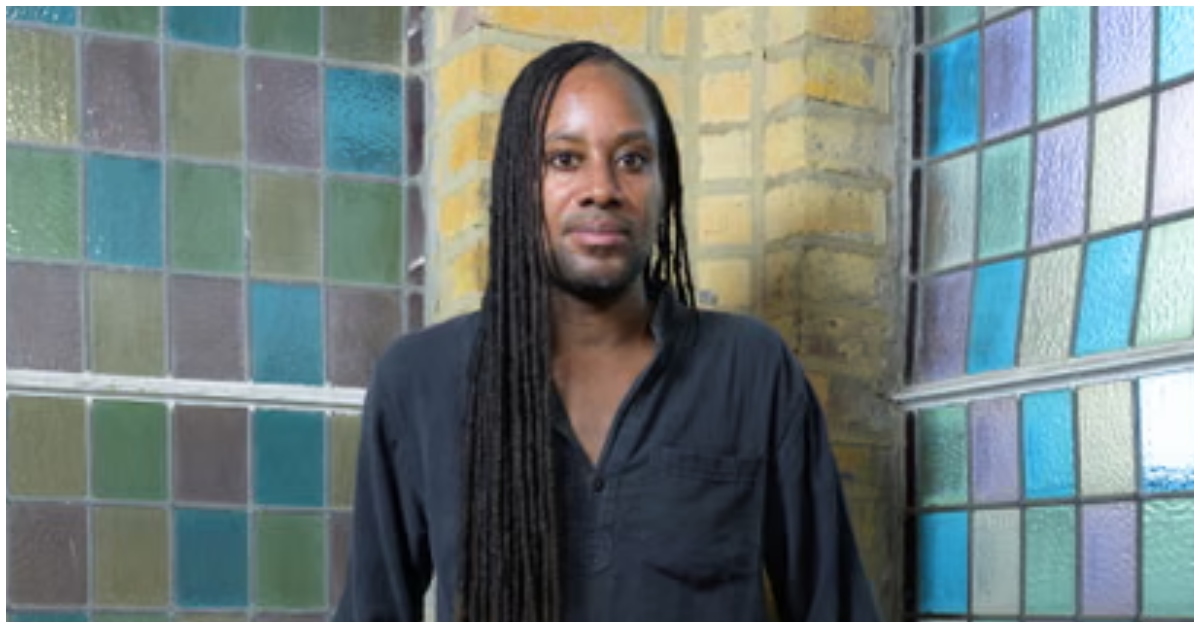
Jason Arday, the youngest Black professor ever appointed by the University of Cambridge, has resigned with immediate effect as the university continues investigating questions about his academic qualifications and honorary appointments.
His resignation follows months of public scrutiny over plagiarism allegations and claims about parts of his academic and personal record. Although Arday admitted there were mistakes in some of his work, he strongly denied being dishonest. He said the ongoing criticism and personal attacks had taken a heavy toll on him and his family.
Jason Arday Resigns While Cambridge Investigation Moves Forward
The University of Cambridge announced on August 5 that it had opened an investigation after receiving new information about Arday’s academic qualifications and honorary appointments. The university has not released further details about the review.
Soon after the announcement, Arday confirmed he would step down immediately. He explained that leaving was the only way to close this difficult chapter in his life. Despite his resignation, he said he still believes deeply in scholarship and the values that first brought him to Cambridge.
“There comes a point where the personal cost becomes too great.”
Arday thanked his students, colleagues, family, and supporters. He also said he plans to return to academic work after taking time to heal.
Plagiarism Allegations Spark Questions About Academic Record
The controversy began after researcher Nathan Cofnas accused Arday of plagiarism. Cofnas claimed software found passages in Arday’s work that closely matched previously published material.
Media reports later questioned other achievements listed by Arday, including fundraising totals and long-distance running records. Those reports added to the growing public attention surrounding his career.
Cambridge initially described the allegations as part of a “vile campaign” aimed at damaging Arday’s credibility. Meanwhile, Liverpool John Moores University, where Arday earned his PhD in 2015, previously investigated plagiarism concerns surrounding his thesis. The university did not bring any charges against him.
Jason Arday Responds to Criticism and Defends His Reputation
Arday has accepted responsibility for errors in some of his academic work. However, he insists those mistakes should not be mistaken for dishonesty.
“I am accountable for those mistakes, but I am not a liar.”
He also claimed there has been a coordinated effort to remove him from his position since arriving at Cambridge. According to Arday, some of the criticism has been fueled by opposition to diversity, equity, and inclusion initiatives.
Additionally, he said his autism affected how he learned and processed information during his early academic career. He explained that he often relied on mimicry while developing his research skills.
Charity Claims and Running Achievements Face New Scrutiny
Beyond plagiarism allegations, questions have also been raised about Arday’s public claims involving charity fundraising and endurance events.
Critics challenged his statements that he completed 30 marathons in 35 days, ran 300 miles in three days, and covered 600 miles on a treadmill within six days while raising more than £5 million for charity.
Arday responded by saying the £5 million was raised with help from many people over two decades. He declined to identify supporters because of non-disclosure agreements. He also clarified that the treadmill challenge actually took 12 days, including planned rest periods, while standing by his other running achievements.
Publisher and Supporters Stand Behind Jason Arday
Despite the ongoing investigation, Arday continues to receive support from several individuals and organizations.
Publisher Simon & Schuster defended him ahead of the release of his memoir. The company praised his professionalism and integrity throughout the publishing process.
Jovan Owusu-Nepaul, a close associate of Arday, also called the situation regrettable. He argued that the intense focus on Arday’s career and personal history had become unfair and urged people to respect his request for privacy.
Debate Over Race and Higher Education Continues
The controversy has also renewed debate about race and opportunity within Britain’s top universities.
Some critics argue elite institutions have focused too heavily on improving diversity. Others strongly reject the idea that Black academics receive special treatment.
Academic Kehinde Andrews said the experiences of many Black scholars tell a different story. He argued that Black academics often face greater scrutiny and additional obstacles throughout their careers rather than receiving unfair advantages.