A Landmark Performance That Shifted British Theatre
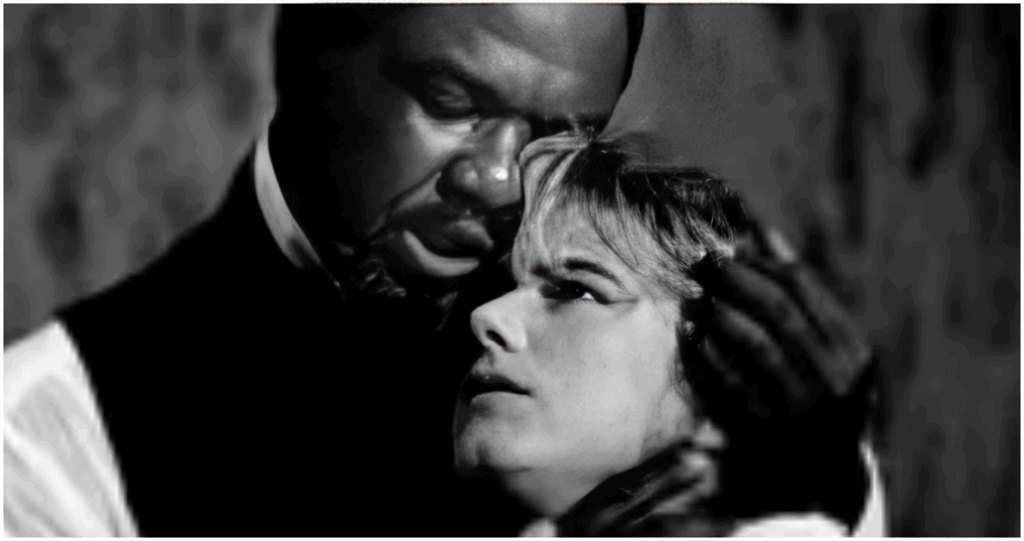
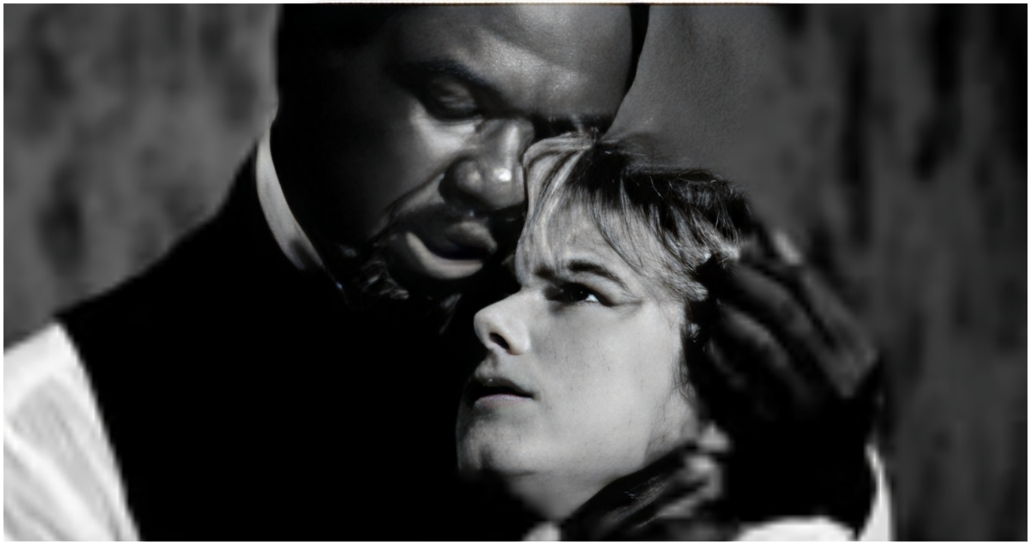
Ben Thomas made theatre history in 1994 when he stepped onto a professional British stage as King Lear. His performance stood out not only for its strength but also for what it represented. Few Black actors had ever been trusted with the role in the U.K., especially on a major platform.
The production came through Talawa Theatre Company, which was already known for bold casting choices. Thomas’s work became a powerful example of what Black actors could bring to classical roles long dominated by white performers. His presence on stage challenged long-held assumptions in British theatre.
The moment pushed more directors and companies to rethink their casting practices. It also opened doors for younger actors who hoped to take on the classics.
Talawa Theatre Company’s Role in Changing Classical Casting
Talawa Theatre Company, founded in 1986, played a key role in nurturing Black talent in the U.K. By the early 1990s, the company had become a home for actors seeking serious work beyond the limited roles offered elsewhere. It provided a space where classical plays could be explored through new cultural lenses.
Talawa’s mission was clear: offer Black performers the opportunities they were denied in mainstream theatre. As founder Yvonne Brewster explained, “Our policy was to give Black actors work they weren’t being offered — and nobody was offering them the chance to do Shakespeare.”
The company consistently proved that talent, not race, determines artistic excellence. Thomas’s casting in 1994 fit within a long tradition of deliberate and impactful choices.
Yvonne Brewster’s Vision and Influence
Yvonne Brewster, often called the “godmother of Black British theatre,” was central to Talawa’s rise. Her leadership helped shape a company that valued discipline, bold ideas, and cultural pride. Her work made it possible for actors like Ben Thomas to take centre stage in roles once considered unreachable.
Brewster understood how the system worked. She had learned the industry from the inside, serving on the national Arts Council and directing across several organisations. Her network and determination helped Talawa secure major stages, including the National Theatre.
Experts often describe Brewster’s impact as “immense.” She pushed back against the belief that Black actors could only perform in certain roles. Her choices helped shift expectations in the U.K. theatre world.
A Theatre Landscape Before and After 1994
Before Talawa’s rise, many Black actors struggled to find meaningful roles in Britain. Casting directors often overlooked them for classics, especially works by Shakespeare. Even when actors trained at top schools, they were told not to expect serious work.
Ben Thomas’s portrayal of King Lear signaled a shift. Audiences and critics saw a Black actor command one of Shakespeare’s most demanding roles with strength and clarity. This performance quietly challenged decades of bias.
After 1994, more Black performers took on classical characters. Don Warrington, for example, later played Lear in 2016, following earlier roles with Talawa. These performances showed that Thomas’s moment was not an exception but part of a growing movement.
Talawa’s Broader Work and Artistic Legacy
Talawa did more than reimagine Shakespeare. The company produced a range of plays, from Oscar Wilde comedies to works by James Baldwin, Derek Walcott, and Ntozake Shange. It also staged bold reinterpretations of classics, resetting stories like “Blood Wedding” and “Oedipus Rex” in new cultural contexts.
This creative range gave actors the chance to stretch their craft. Sharon D. Clarke, now a major figure in British theatre and television, had early breakthroughs at Talawa. The company became a proving ground for stars who needed real stage opportunities.
Even today, Talawa’s influence is visible. As artistic director Michael Buffong said, “These days you probably wouldn’t even consider that an actor couldn’t do Shakespeare because of their ethnicity — it just wouldn’t be a thought.” Thomas’s historic performance helped make that possible.
How Brewster Built the Foundation for Moments Like Thomas’s Lear
Brewster’s own story adds depth to Talawa’s mission. When she studied acting in the 1950s, she was told she was unlikely to find work because she was Black. Instead of accepting that, she built spaces where others would not face the same limits.
She co-founded Jamaica’s first professional theatre company before returning to Britain. Her experience, talent, and connections helped her launch Talawa with three other veterans who shared over 120 years of combined experience.
Brewster always insisted that her choices were artistic, not political. Yet her insistence on Black excellence in classical theatre created a cultural shift. That shift allowed performers like Ben Thomas to step into roles once considered impossible.