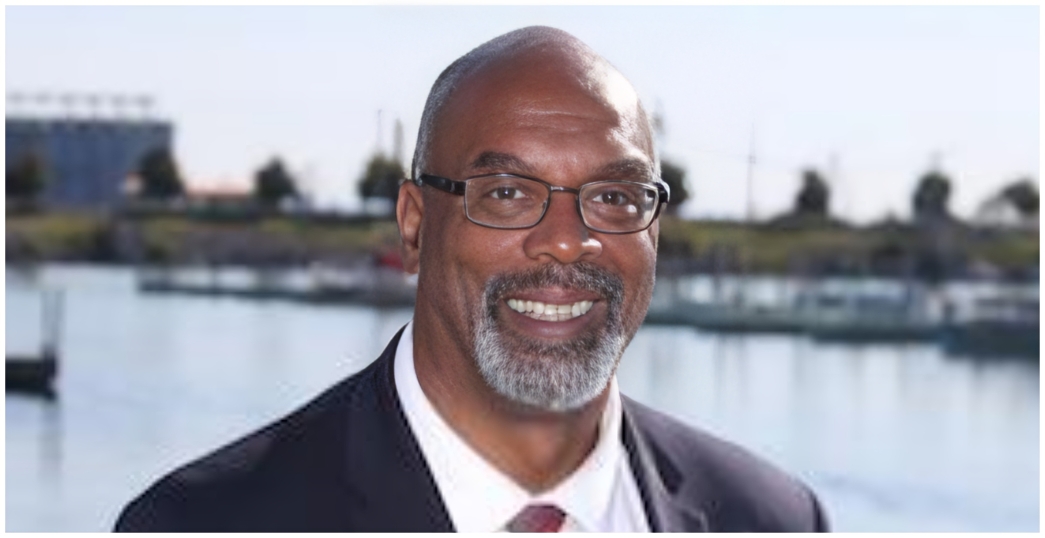
Aaron Mair, the first Black president in the history of the Sierra Club, is speaking publicly about what he believes is a deeper leadership crisis inside one of America’s most recognized environmental organizations. According to Mair, the issue is not about one person or one disagreement. Instead, he says it reflects years of internal struggles over power, governance, and the treatment of Black leaders.
His comments come as serious allegations continue to surface around leadership decisions inside the Sierra Club and the Sierra Club Foundation. Over the past five years, at least nine African American leaders have reportedly left the organization, raising difficult questions about inclusion, equity, and whether Black leadership is truly supported once it begins to challenge existing systems.
Aaron Mair Says Black Leadership Has Been Celebrated, Then Pushed Aside
Mair recently spoke about what he described as a troubling pattern inside the Sierra Club. He said Black leaders are often welcomed, publicly celebrated, and used as symbols of progress. However, according to him, problems begin when those same leaders speak independently or challenge long standing organizational culture.
Speaking candidly about his concerns, Mair said:
“Bring in Black leadership, celebrate it in public, then recoil when that leadership is independent, forceful, or unwilling to play a symbolic role.”
His statement has sparked wider conversations across social justice and environmental circles. Many see his words as part of a larger discussion about how institutions handle diversity when leadership starts demanding structural change instead of symbolic recognition.
Sierra Club Leadership Crisis Raises Questions About Governance and Power
The controversy has grown following a complaint filed in Alameda County by former Sierra Club Foundation director Pedro da Silva. The complaint reportedly includes claims of discrimination, retaliation, and defamation.
Although legal processes are still unfolding, Mair believes these concerns point to something much deeper. He says the Sierra Club has struggled for years with questions of authenticity and internal governance.
According to Mair, leadership battles inside the organization are not simply personal conflicts. Instead, they reflect ongoing tensions about who gets real power, whose voices are valued, and whether Black leaders are truly allowed to lead on their own terms.
Aaron Mair’s Journey From Community Activist to Historic Environmental Leader
Long before he made history at the Sierra Club, Mair was already fighting environmental injustice in local communities. He rose through the organization’s volunteer ranks after helping lead a campaign against a polluting incinerator in Albany.
That grassroots work helped shape his understanding of environmental justice. Rather than seeing environmental issues only through the lens of forests, parks, or climate, Mair pushed people to understand that race, housing, toxic waste, and Black community survival are also environmental issues.
Eventually, his work led him to become the Sierra Club’s environmental justice chair. Then, in 2015, he broke a major barrier by becoming the organization’s first Black president.
Breaking Racial Barriers Inside America’s Environmental Movement
Mair served as Sierra Club president from 2015 to 2017. During that time, he worked to expand conversations around race, class, and environmental inequality. His leadership challenged the long held image of the Sierra Club as an organization traditionally seen as White and middle class.
Looking back, Mair says his mission was always bigger than titles. He wanted to help the environmental movement understand that polluted neighborhoods, land use battles, and unsafe living conditions in Black communities deserve the same attention as national parks and wildlife conservation.
That perspective made him both respected and controversial. Supporters saw him as a transformational leader. Critics, however, often resisted the broader conversations he brought into the organization.
Aaron Mair Says Black Voices Must Be Protected, Not Managed
As debates continue inside the Sierra Club, Mair believes the conversation must move beyond public image and focus on institutional accountability.
He made his position clear when he said:
“You cannot use Black struggle as a seal of approval and then make it impossible for Black leaders to survive.”
Those words have resonated far beyond the environmental world. For many Black professionals, Mair’s message reflects experiences seen in corporate spaces, nonprofit organizations, and leadership institutions across America.
Today, Aaron Mair’s voice is not just challenging one organization. It is challenging systems that celebrate Black excellence publicly while resisting Black power behind closed doors.