A Trailblazer in Civil Rights
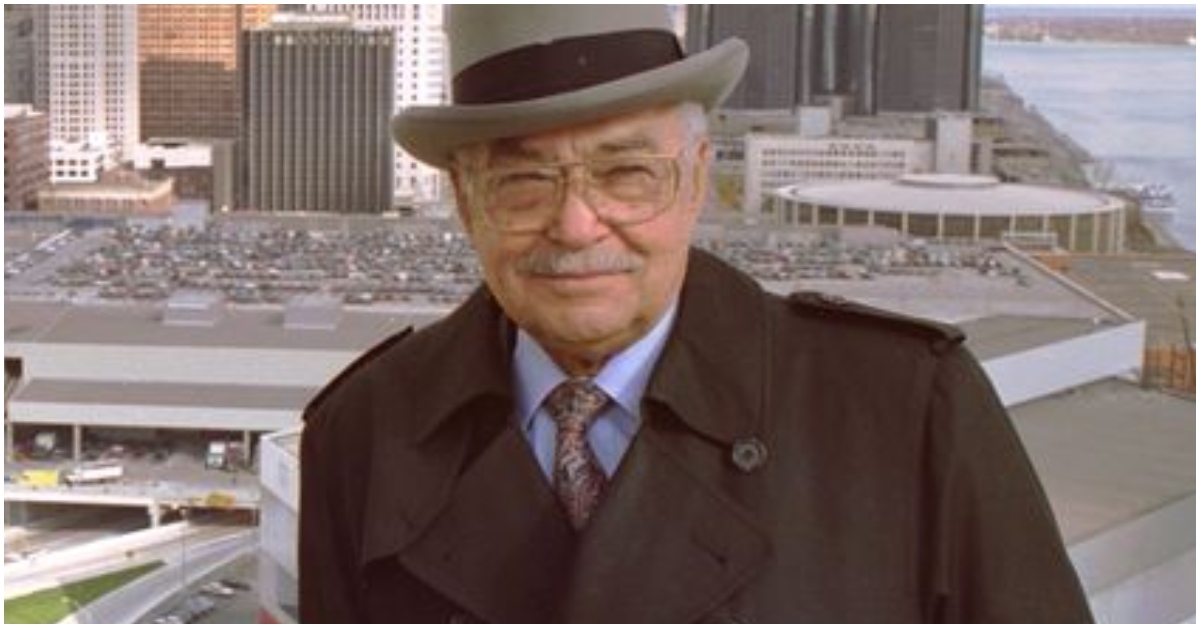
Coleman Alexander Young was a trailblazer in the civil rights movement. Born in Tuscaloosa, Alabama, in 1918, he moved to Detroit with his family in 1923.
Unable to afford college, Young began working on an assembly line at Ford Motor Company, where he became involved in union activities and civil rights issues.
“Hit 8 Mile Road!”
Young’s famous message to criminals during his three-day-long inauguration
Tuskegee Airman and Activism
During World War II, Young served with the Tuskegee Airmen, the first African American flying unit in the U.S. military.
Near the end of his service, he was briefly imprisoned for trying to desegregate an officers’ club, showcasing his unwavering commitment to equality.
After returning to Detroit, Young co-founded the National Negro Labor Council (NNLC) in 1951, advocating for job opportunities for African Americans.
Defiant Testimony and Blacklisting
In 1952, Young’s pugnacious testimony before the House Committee on Un-American Activities earned him widespread publicity.
However, he disbanded the NNLC to avoid turning over its membership list, leading to his blacklisting by labor organizations and forcing him to take odd jobs before becoming an insurance salesman.
Political Rise and Mayoralty
Young’s political career began in 1964 when he was elected to the Michigan Senate. Four years later, he became the first African American member of the Democratic National Committee. In 1973, he won a close election to become Detroit’s first Black mayor.
As mayor, Young sought to revitalize Detroit by attracting new businesses, reforming the police department, and overseeing major construction projects. His outspoken and often controversial nature endeared him to African American voters, leading to an unprecedented four re-elections, but also alienated many in the white community.
Despite facing health challenges, Young decided not to run for re-election in 1993, leaving behind a lasting legacy as a pioneering leader who fought for civil rights and uplifted the African American community in Detroit.
His autobiography, “Hard Stuff,” published in 1994, is a timeless record of his remarkable journey.