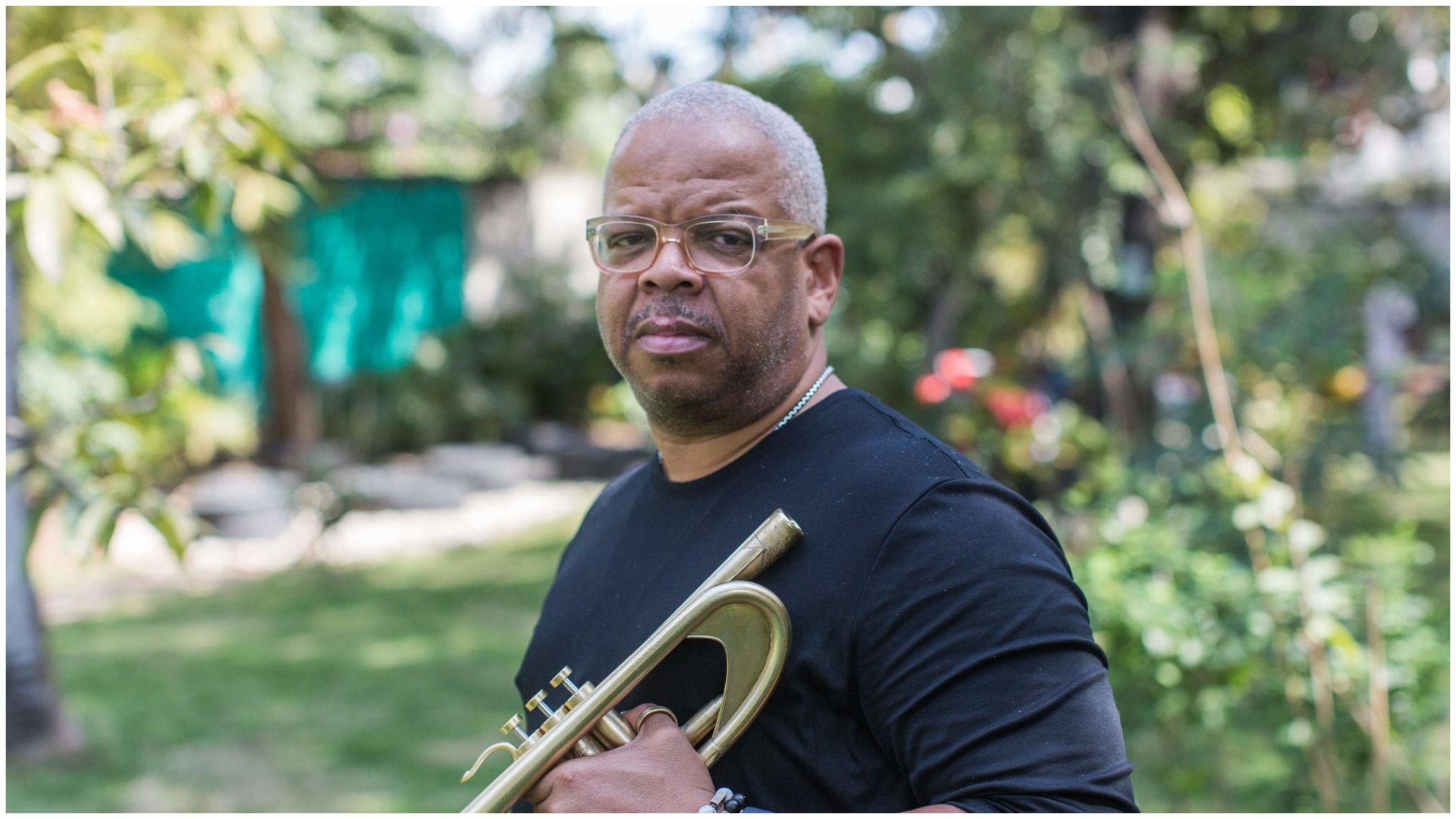
A Milestone Moment for the Met and Terence Blanchard
Terence Blanchard has returned to the Metropolitan Opera with a second groundbreaking production in just three years. He is the first Black composer to have two operas performed at the Met—one of the world’s most prestigious opera houses.
The latest staging, Fire Shut Up in My Bones, opened the Met’s new season with power and purpose. The opera, based on the memoir of New York Times columnist Charles M. Blow, dives deep into themes of identity, trauma, and resilience. This comes only two years after Blanchard’s first Met production, Champion, which also earned widespread acclaim.
Blending Jazz and Opera in a Unique Way
Though widely known for his work as a jazz trumpeter and film composer, Blanchard doesn’t call his work jazz opera. Instead, he says his pieces are operas influenced by jazz, much like how Stravinsky pulled from folk traditions.
A jazz quartet plays alongside the Met Orchestra during Fire Shut Up in My Bones, but the score leans more toward cinematic storytelling. Blanchard has scored over 40 films, including several for director Spike Lee, and his style brings a fresh voice to opera.
“I’m trying to take American folklore that I know—jazz—and bring that into the operatic world,” Blanchard explained.
A Story Rooted in Black Experience and Emotion
Fire Shut Up in My Bones tells the real-life story of Charles Blow, a Black boy growing up in rural Louisiana. The narrative explores how he rises above poverty, violence, and childhood sexual abuse to become a respected journalist.
Blanchard’s music is deeply emotional, matched by powerful performances from an all-Black cast. Baritone Will Liverman plays the lead role of Charles and brings raw depth to the character’s internal conflict.
“It’s a collective thing,” Liverman said. “We all want to do well and show real, authentic Blackness on stage—Black pain, Black joy. This piece has it all.”
A First for More Than Just the Composer
Blanchard’s return to the Met also shines a light on others breaking new ground. Camille A. Brown, who co-directed and choreographed the opera, is the first Black director to lead a mainstage Met production.
Her work adds powerful layers to the story, especially in scenes exploring Charles’s sexuality. The second act features a haunting ballet with same-sex duets that reflect Charles’s inner struggle.
Brown says she drew inspiration from friends who’ve faced similar battles. She wanted to show those truths with care and dignity on stage.
Why Representation in Opera Still Matters
While Blanchard’s achievement is historic, it raises important questions about diversity in the world of classical music. Why did it take 138 years for a Black composer’s work to be staged at the Met?
“You have to applaud Terence,” said Charles Blow, “and at the same time ask—why is he the first?”
Blanchard isn’t interested in focusing on the long wait. He wants people to ask what happens next. He sees this moment as a start, not a finish.
What’s Next for Blanchard and the Met?
With two operas now performed at the Met, Blanchard is paving the way for future composers of color. His work is part of a larger push to diversify opera and bring in fresh stories and sounds.
Blanchard remains humble about his growing legacy.
“I really don’t know how I fit in with the Verdis and Wagners,” he said. “I’m just enjoying the moment.”
One thing is clear—Blanchard’s story, and his music, are far from over. And the Met may never be the same again.