A Monument to Courage and Change
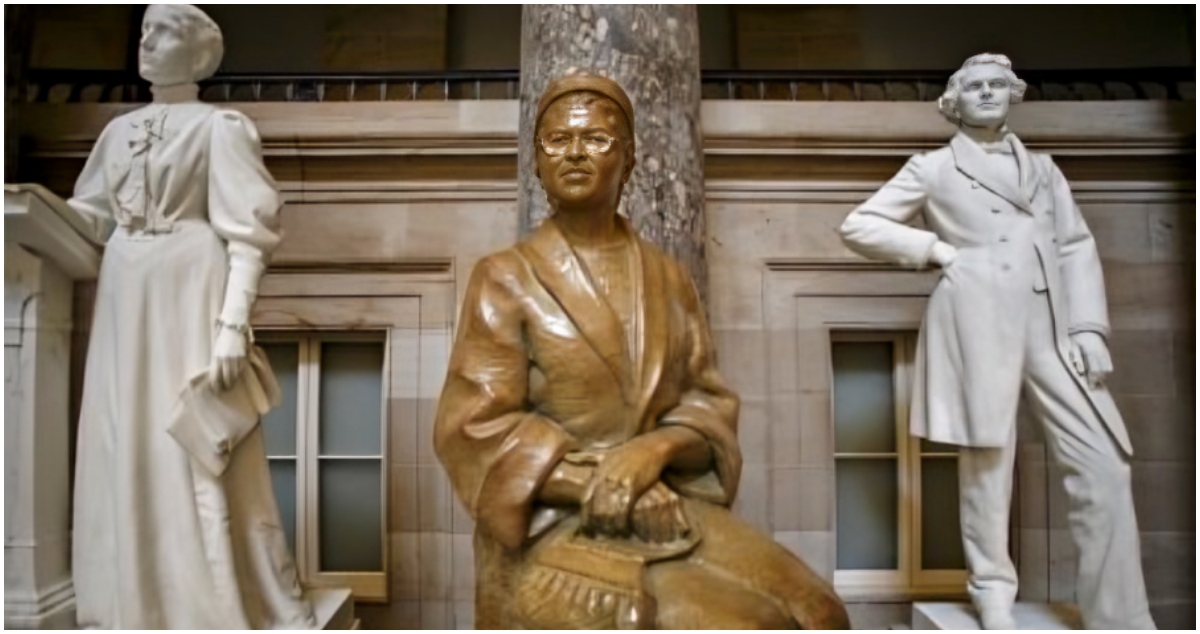
Rosa Parks is being honored with a powerful new statue at the Alabama State Capitol in Montgomery. The statue is not only a tribute to her courage but also a historic first—it is the first monument of a Black woman, and the first of any woman, on the State Capitol lawn.
The unveiling of the statue marks a turning point in how Alabama celebrates its heroes. It stands facing the same street where Parks famously refused to give up her seat on a segregated bus in 1955, an act that sparked the Montgomery Bus Boycott and changed American history.
State Representative Laura Hall sponsored the 2019 legislation that made the monument possible. She shared that Rosa Parks and Helen Keller, who will also have a statue nearby, represent the best of Alabama’s legacy of equality. “Rosa Parks and Helen Keller are symbols everyone can connect with,” Hall said.
Rosa Parks’ Defiance That Ignited a Movement
Rosa Parks’ quiet strength transformed her into a global symbol of resistance and dignity. Born in Tuskegee, Alabama, and raised in Montgomery, she joined the city’s NAACP chapter in 1943. She fought for voting rights and spoke out against racial and sexual violence long before her arrest.
When Parks refused to surrender her bus seat to a white passenger on December 1, 1955, she was arrested and fined for violating segregation laws. Her arrest became the spark that launched the Montgomery Bus Boycott, a mass protest against racial segregation in public transportation that lasted 381 days.
Although she was not the first to protest the law—teenager Claudette Colvin had done so nine months earlier—Parks’ moral strength and leadership helped unite the community. Her courage inspired thousands to walk, organize, and demand equal treatment.
How the Boycott Changed America
The Montgomery Bus Boycott was one of the longest and most effective civil rights protests in U.S. history. It brought together church leaders, activists, and ordinary citizens under the leadership of a young Dr. Martin Luther King Jr. The protest officially ended after the 1956 Supreme Court ruling in Browder v. Gayle, which declared bus segregation unconstitutional.
The case included plaintiffs Aurelia Browder, Claudette Colvin, Mary Louise Smith, and Susie McDonald—women who also refused to give up their seats. Together, they changed the course of American law and civil rights.
The new statue at the Alabama State Capitol ensures that Rosa Parks’ legacy remains visible for generations. Her image now stands as a reminder of what one person’s courage can do to change a nation.
A Symbol of Equality and Hope
The placement of the statue carries deep meaning. Facing the same street where Parks made her historic stand, it connects the past to the present. Visitors will see not only a monument but a message—a call to honor justice, resilience, and equality.
As Alabama prepares to celebrate Rosa Parks Day, her presence on the Capitol grounds serves as both remembrance and inspiration. It reminds the world that progress often begins with one simple, fearless act.