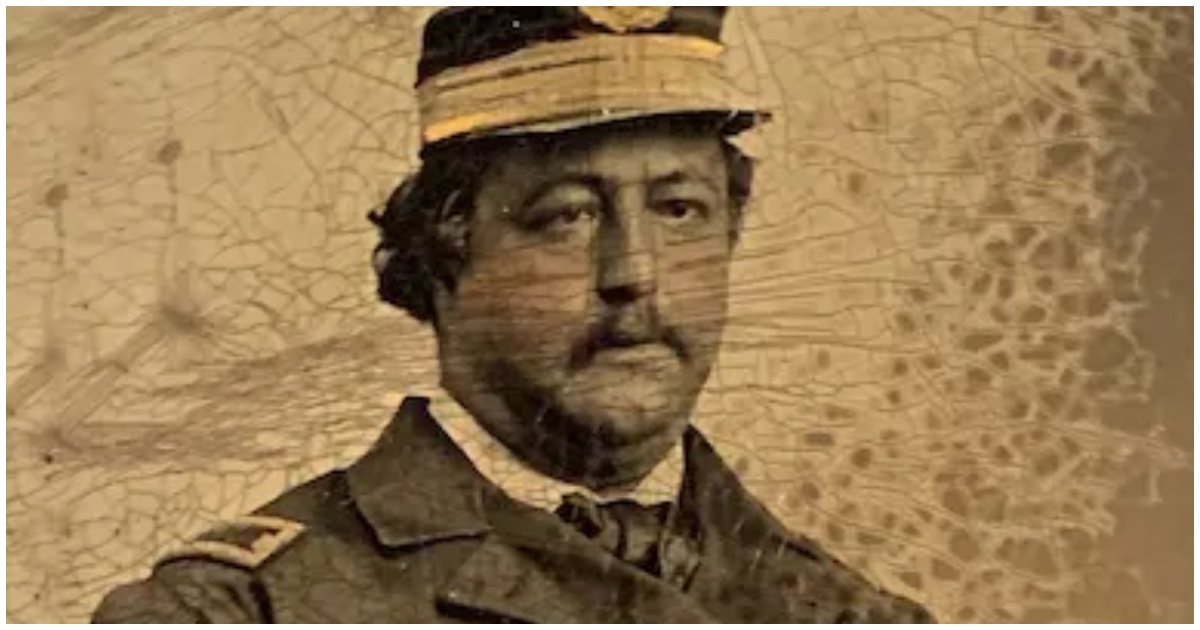
Richard Henry Greene made history as the first Black graduate of Yale University. He later served as a physician during the American Civil War, leaving a lasting impact as a pioneer in 19th-century America.
A Trailblazer’s Path to Yale
Born in 1833 in New Haven, Connecticut, Greene overcame significant obstacles to attend Yale. Despite living in the city’s Black neighborhood, known as “Negro Lane,” he commuted to campus and was often excused from mandatory early morning prayer services due to his commute.
At Yale, Greene seized opportunities to broaden his horizons. He became a member of the Brothers in Unity literary society and the Sigma Delta fraternity, allowing him to engage with diverse races and cultures. In 1857, he graduated with a Bachelor of Arts, making history as Yale’s first Black graduate.
From Educator to Civil War Physician
After graduating, Greene ventured into education, teaching in Milford, Connecticut, and Bennington Seminary in Vermont. In 1861, he changed the spelling of his last name from Green to Greene.
Determined to further his studies, Greene pursued a medical degree at Dartmouth College, earning his M.D. in 1864. Shortly before completing his medical training, Greene joined the U.S. Navy in November 1863, during the American Civil War.
Serving with Distinction in the Civil War
As an assistant surgeon aboard the USS ‘State of Georgia’, Greene participated in the Union blockade off the coast of North Carolina. After the ship was decommissioned, he was reassigned to the USS Seneca.
While aboard the ‘Seneca’, Greene played a crucial role in the Union’s capture of Fort Fisher and other Confederate fortifications along North Carolina’s Cape Fear River. He also dealt with outbreaks of yellow fever and smallpox during his service.
A Pioneering Legacy Marked by Adversity
In a letter to his wife, Greene described the somber atmosphere in Norfolk, Virginia, under Union occupation, noting the bitterness of Southerners towards the North. Despite facing intense social discrimination and racism, Greene remained dedicated to his medical work.
Tragically, Greene passed away in 1877 at the age of 44 in Hoosick, New York, from heart disease. Some believe his condition was linked to the hardships he endured throughout his life.
Today, Richard Henry Greene is remembered as a trailblazer who broke barriers and served his country with distinction. His legacy continues to inspire and pave the way for future generations of Black leaders and professionals.