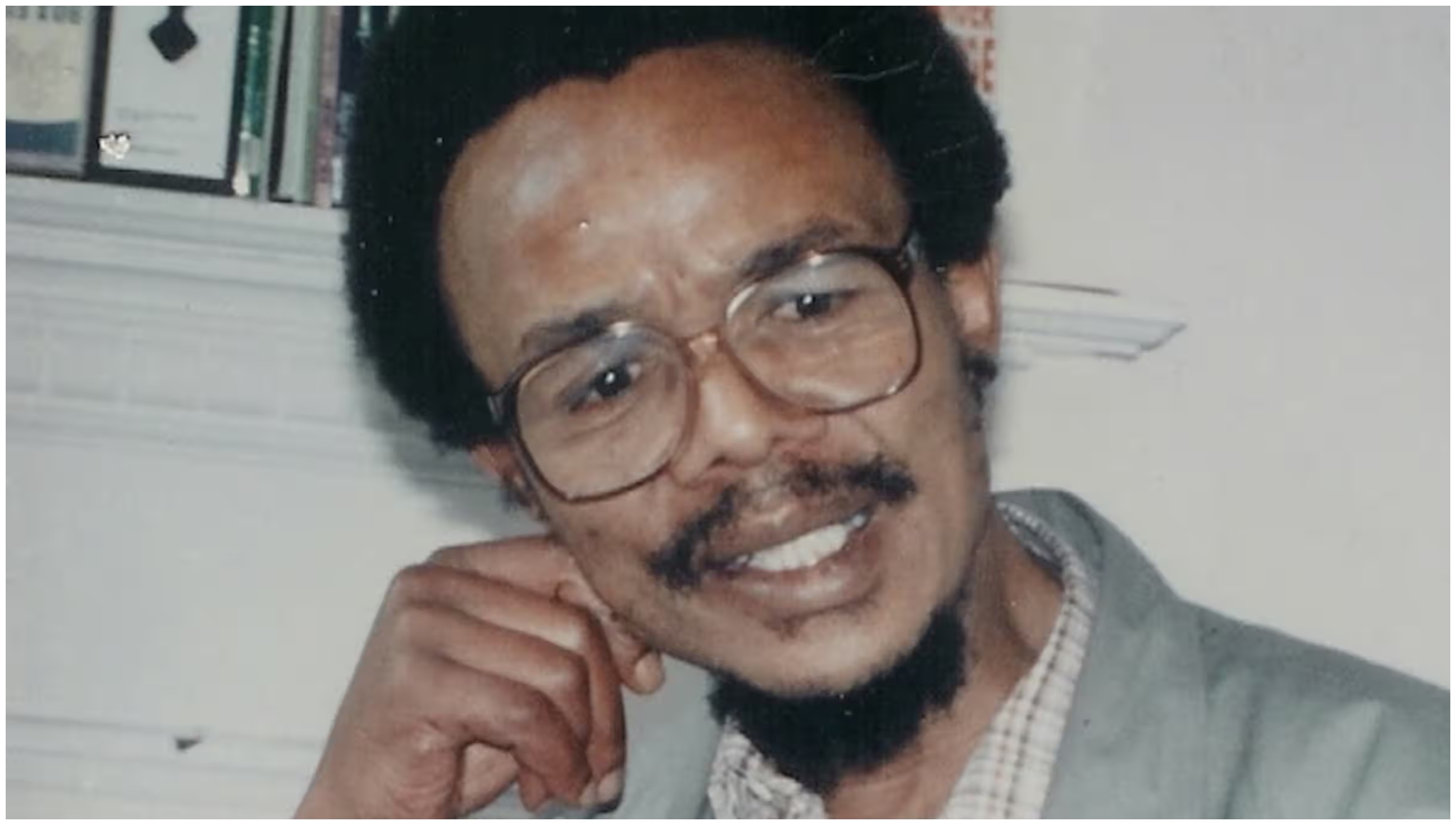
The world is reflecting on the life of Rev Zolile Mbali, a fearless priest who challenged apartheid’s harsh boundaries. Known to friends as “Zoli,” he was the first Black chaplain at the all-white theological college in Grahamstown, South Africa — a role that defied government laws at the time.
Rev Mbali, who died recently at the age of 84, not only served both the UK and South Africa as an Anglican priest but also stood up for dignity, equality, and the right to worship and learn freely.
From Rural Transkei to Oxford on Desmond Tutu’s Recommendation
Born in Johannesburg, Mbali was raised in the remote Drakensburg foothills of Transkei. Life on the family farm was tough, combining farm chores with lessons in isiXhosa and Sesotho. Later, he moved near Johannesburg for school, where his uncle’s curate happened to be the young Desmond Tutu.
Hardship shaped much of his early life. Forced to leave school to help his family, Mbali worked under brutal conditions on a railway tunnel and contracted typhoid. It was during his recovery in hospital that he chose to dedicate his life to the church.
His faith and determination took him to St Bede’s Theological College in Mthatha and then Fort Hare University. With Tutu’s backing, he secured a scholarship to Queen’s College, Oxford through the World Council of Churches in 1969.
A Love Story Amid Apartheid’s Cruelty
While at Oxford, Mbali met Charlotte Lebon, a British postgraduate student. The two fell in love, but South Africa’s apartheid laws banned interracial relationships. When Mbali returned home in 1971 and took up parish work, Charlotte could not join him.
To stay close, Charlotte relocated to Botswana in 1973. When police threats forced Mbali to flee South Africa in 1974, he reunited with her. The couple married in 1975 and worked side-by-side supporting refugees and remote communities.
With his South African passport revoked and violence nearby, Mbali and his growing family resettled in the UK by 1981.
Leading Churches and Conversations on Racism in the UK
Once in Britain, Rev Mbali continued his ministry. He first served at All Saints’ Church in Preston-on-Tees, later taking positions in Leicestershire. There, he oversaw four village parishes known as “the Langtons.”
In 1987, he published The Churches and Racism: A Black South African Perspective, based on his PhD from the University of Leeds. The book sharply critiqued churches’ silence and complicity under apartheid, earning him national respect.
From 1988 to 1992, Mbali became one of the UK’s first diocesan community relations officers, fostering stronger ties between churches and Black communities. His leadership earned him a canonry at Leicester Cathedral in 1990.
Return to South Africa After Apartheid’s Fall
When apartheid ended, Mbali and his family returned to Durban in 1993. Charlotte began teaching at Natal University while he ministered to people affected by HIV/AIDS and led student services at the local university.
Even in retirement, Mbali faced challenges, surviving a violent assault and later illness. Despite setbacks, his courage and gift for storytelling never faded.
In 2017, his daughters brought him and Charlotte back to the UK to be near their grandchildren. He spent his final years in Kent, passing away peacefully in May 2025.
A Lasting Legacy of Courage and Compassion
Rev Zolile Mbali’s life tells a story of resilience, faith, and the fight for justice. He broke the color line at Grahamstown’s theological college, boldly ministered under apartheid, and spoke against racism in religious spaces.
His compassion touched rural farmhands, refugees, churchgoers, and students alike. Through every trial, he preached kindness and the importance of making the world better, one act at a time.
He is survived by his wife Charlotte, their daughters Thandiwe, Ma-Jali, and Mandisa, and five grandchildren.