Breaking Barriers as Moore’s First Black Police Officer
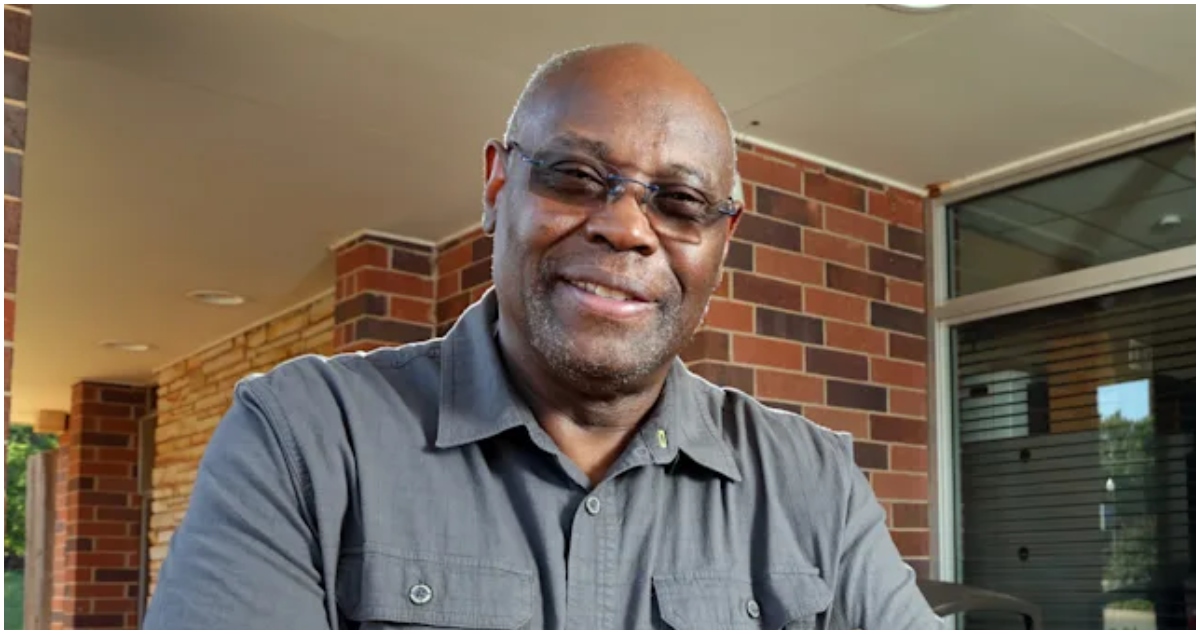
Nate Tarver made history in 1979 when he became the first Black police officer in Moore, Oklahoma. At just 22 years old, he stepped into a city where no Black person had ever been employed by the government. His journey began almost by chance—after graduating from the University of Oklahoma with a degree in journalism, Tarver noticed a hiring sign while paying a utility bill. He decided to apply, unaware of the deep racial divide he would face.
His arrival shocked many residents. Some called the police department when they saw him patrolling, insisting a Black man could not be driving a squad car. Others refused to let him enter their homes during emergencies. Even within the department, officers hesitated to work with him. Tarver endured racist slurs and suspicion, but he stayed. His faith, resilience, and belief in change carried him through the hardest years.
From Racism to Community Respect
Over time, Tarver’s persistence turned hostility into respect. By the late 1980s, Moore residents came to know him as approachable, good-natured, and fair. Children remembered his school visits, and business owners saw him as a trusted figure. His presence helped open doors for other Black officers to be hired in Moore.
Reflecting on those early years, Tarver said, “There’s a lot of misconceptions because if you don’t have interaction with people from other places or communities, you don’t know anything about it. Luckily for me, some of those people I worked with…were curious enough to say, ‘Are these things true?’ And I would go, ‘No, that’s not true.’”
When he left Moore in 1989 to join the Oklahoma City Police Department, colleagues remembered him as a pioneer. His legacy there was proof that change, though slow, was possible.
Leadership in Oklahoma City and National Tragedy
Tarver’s career flourished in Oklahoma City, where he spent 26 years in multiple roles—patrol officer, robbery detective, gang enforcement, and public information officer. His calm leadership came into national view in 1995 after the bombing of the Alfred P. Murrah Federal Building. As the department’s spokesperson, he shared updates with the world, showing the “Oklahoma Standard” of unity and compassion.
That tragedy also shifted law enforcement culture. For the first time, officers were offered grief counseling and mental health support. Tarver recalls it as a turning point, both for him personally and for the profession. “It was a horrific event, but one of the things it did was show the goodness of people and community,” he said.
A New Chapter at the University of Oklahoma
In 2015, Tarver returned to his alma mater, OU, as deputy chief of the Health Sciences Center police. By 2017, he was promoted to chief. His leadership style emphasized empathy, inclusion, and relationship-building. He worked to repair strained ties between OU and nearby Black communities, urging officers to stop, talk, and engage with residents.
By 2020, Tarver was appointed chief of police for the entire OU system. He guided the department through COVID-19 challenges and national protests over police brutality after George Floyd’s murder. Despite limited resources, he prioritized student safety and reassured parents who wanted to know their children would be secure.
A Career Defined by Mentorship and Legacy
For Tarver, the most rewarding part of his career was mentoring young people. He found joy in discovering that children from his 1990s anti-drug classes had grown into police officers, business leaders, and community role models.
“For me, if you can influence or save or help one person, I think that you’re a success,” he said. “But I’ve had numerous of those types of situations. I always wanted to help young Black men, so that was great for me. That’s the highlight of my career.”
Now, after 46 years of service, Tarver is retiring. He plans to travel with his wife and friends, finally able to leave his phone behind without worry. Yet his legacy continues—in Moore, in Oklahoma City, and at OU.
“When I came into this business, people weren’t very nice to me,” Tarver reflected. “I’ve been called every name under the sun and been spit at. And it’s bad enough when a grown person would call you the N-word, but when you have a 3- or 4-year-old…that stings really bad. They’ve been taught that hate. I know what it feels like to be treated poorly, and I never want anyone else to feel that way.”