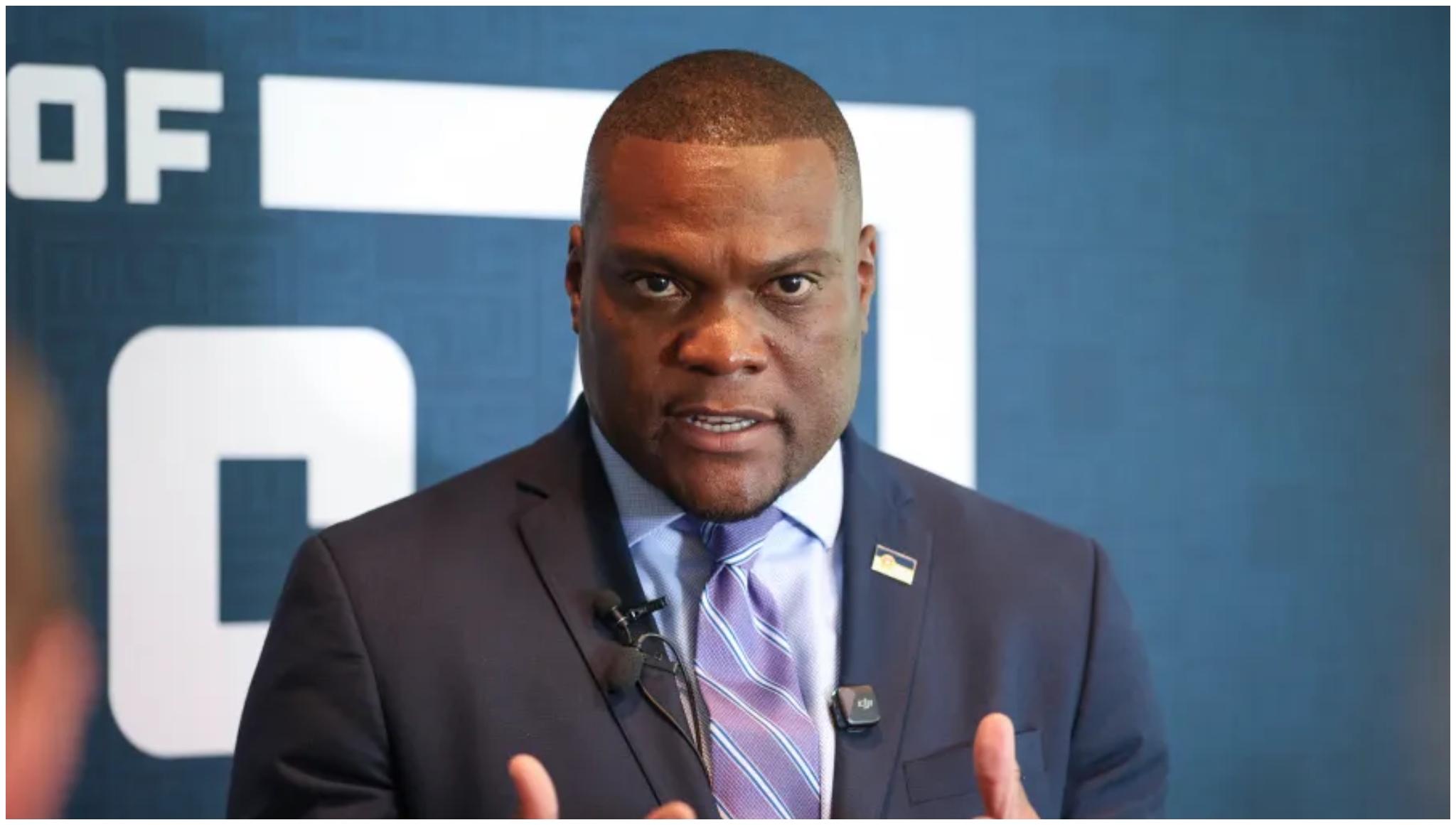
Monroe Nichols, Tulsa’s first Black mayor, has announced a new $105 million plan to help repair the damage caused by the 1921 Tulsa Race Massacre. His proposal focuses on building a private charitable trust to support the descendants of the massacre and revitalize the Greenwood District. Nichols calls this effort a “road to repair” rather than using the politically charged term reparations.
Tulsa Race Massacre: A Tragic History of Loss and Destruction
The Tulsa Race Massacre is considered the worst racial violence incident in U.S. history. Over 18 hours on May 31 and June 1, 1921, a white mob killed around 300 Black residents and destroyed more than 1,000 homes and businesses in Tulsa’s thriving Black community.
The massacre left the city under martial law and burned down what was once Oklahoma’s second-largest African American neighborhood. For more than a century, this dark chapter was largely hidden from history books.
Mayor Nichols’ Vision for Healing and Renewal
Nichols shared his plan at the Greenwood Cultural Center, located in the area once destroyed during the massacre. He explained the lasting effects of the tragedy, including redlining and underinvestment, which blocked economic growth for decades.
“The massacre was hidden from history books only to be followed by the intentional acts of redlining, a highway built to choke off economic vitality and the perpetual underinvestment of local, state and federal governments. Now it’s time to take the next big steps to restore,” Nichols said.
Details of the $105 Million Private Trust Plan
Instead of direct cash payments to descendants or survivors, Nichols proposes a private charitable trust aimed at raising $105 million. The funds would go toward repairing buildings and revitalizing Tulsa’s north side, especially the Greenwood District.
The city council does not need to approve the plan, but it must allow the transfer of city property to the trust. Nichols hopes to secure most of the funding by June 1, 2026.
Reviving Greenwood: Restoring Economic Opportunity
The Greenwood District was once a major center of commerce and culture. Nichols highlighted that what was lost was not just local to North Tulsa or the Black community but robbed the entire city of an economic future.
“What was lost was not just something from North Tulsa or the Black community. It actually robbed Tulsa of an economic future that would have rivaled anywhere else in the world,” Nichols said.
Commitment Despite Challenges Ahead
Nichols acknowledged that his plan could face opposition, especially with current pushes to reduce diversity, equity, and inclusion efforts nationwide. Despite this, he remains focused on moving forward.
“It doesn’t change the work we have to do,” Nichols said, emphasizing the importance of continuing the effort to restore and repair Tulsa’s history and community.