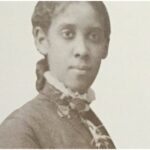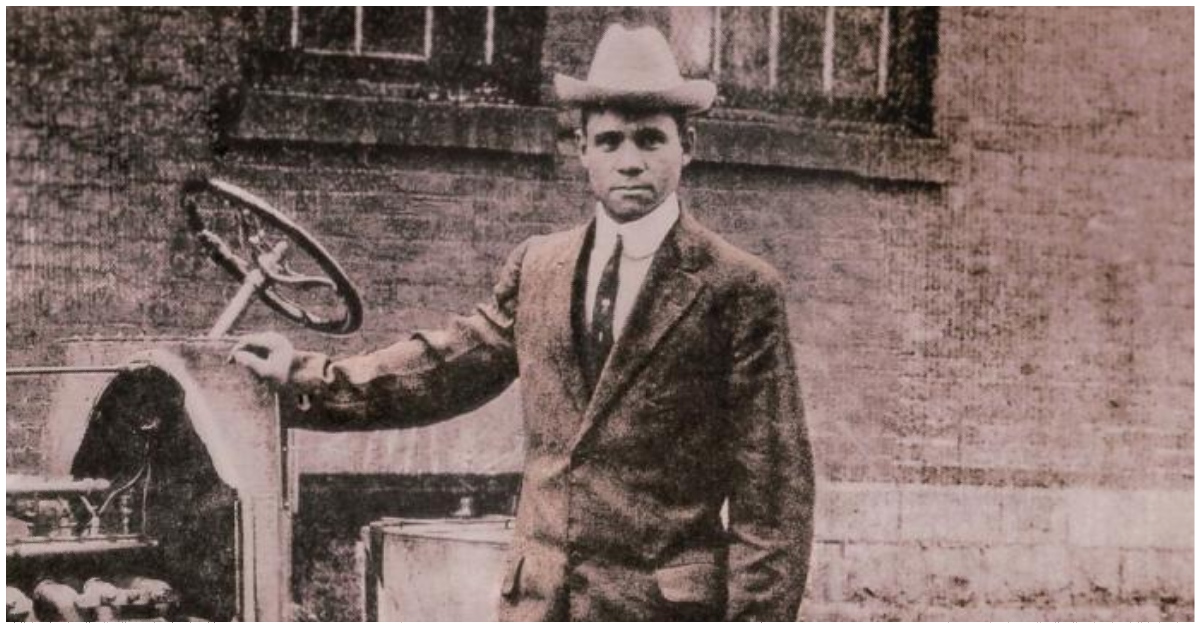
Long before integration took hold, Frederick Douglass Patterson etched his name in Ohio State football history. He suited up for the fledgling Buckeyes squad in 1890, becoming the program’s first-ever African-American athlete.
While Patterson’s gridiron career proved short, it preceded generations of Black football stars at OSU. Moreover, his ambition extended far beyond the playing field to positively impact countless lives.
Early Standout Blazes Path
As the son of an accomplished Black entrepreneur in Greenfield, Ohio, Patterson encountered discrimination firsthand. He broke initial barriers by becoming his hometown high school’s first African-American student after his family sued the district.
Patterson graduated at the top of his integrated class. At Ohio State, the scholar-athlete immediately made his mark through academics, oratory and athletics alike.
When the Buckeyes took the field in 1890, Patterson earned substitute duties as a freshman. The following year, he cemented his pioneer status by scoring a touchdown and later replacing OSU’s quarterback mid-game.
Family Legacy Of Resilience And Innovation
While Patterson departed Ohio State in 1893, his trajectory kept rising. He became an educator, got married and raised two accomplished sons. Tragically, Patterson passed away in 1932 at just 61 years old.
But his entrepreneurial blueprint drove lasting progress. Patterson transformed his father’s carriage business into the first Black-owned automobile company in 1915. Later focusing on bus production, the endeavor prospered for decades as a leading regional manufacturer.
Patterson finally garnered national recognition for his remarkable life when inducted into the Automotive Hall of Fame alongside his father. Though gone, their visionary grit endures.