Trailblazing Representation in the Adirondacks
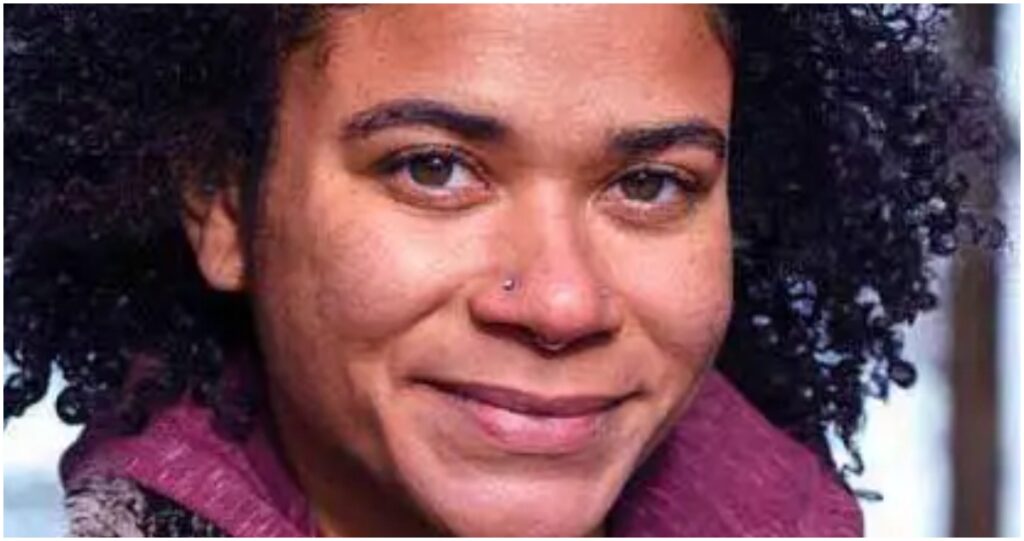
Klarisse Torriente stands as the Adirondacks’ first Black Summit Steward, a milestone that brings a new wave of representation to one of the most scenic yet least diverse outdoor regions in the country. Her presence on the mountain trails reflects both progress and the challenges that remain for inclusivity in nature.
Growing up, Torriente never saw a Black ranger, steward, or environmental educator. She often hiked alone as the only Black person on the trail. Her visibility today sends a powerful message to young people of color — that they, too, have a place in spaces long seen as exclusive. Torriente’s work bridges a deep connection between conservation, access, and cultural inclusion.
Barriers That Kept BIPOC Hikers Away
The lack of diversity on Adirondack peaks did not happen by chance. Experts trace it to decades of systemic exclusion. Redlining policies confined many Black and Brown families to urban areas, far from natural green spaces. The Great Migration also moved populations into cities with limited outdoor access, shaping generations with fewer chances to engage with wilderness environments.
Financial barriers continue to play a role as well. Outdoor gear is expensive, and travel to remote hiking areas can be out of reach for many. On top of that, the painful history of racial violence in outdoor settings and the persistence of stereotypes have discouraged people of color from exploring rural and mountain regions. These factors have made the Adirondacks feel less welcoming, even to those who love nature.
New Programs Bringing Diversity to the Outdoors
Across the United States, new programs have begun to challenge this imbalance. Groups like Outdoor Afro, Black Hikers Unite, BLK Hiking Club, and Black People Who Hike have built strong communities for Black adventurers. However, their reach rarely extends to the Adirondack Mountains, leaving a gap in regional representation.
Local efforts are growing. The Adirondack Diversity Initiative (ADI) has made visible progress in creating safe, inclusive outdoor experiences. Through education and advocacy, ADI emphasizes that nature is not a luxury — it is a shared human right. The organization’s founder describes the outdoors as “a great unifier,” underscoring how diversity strengthens environmental stewardship.
A Call for Continued Inclusion in the Mountains
Supporters believe Torriente’s achievement can help shift the region’s culture. Her leadership symbolizes what change looks like when opportunity meets purpose. But sustaining that progress requires community support. The Adirondack Diversity Initiative and similar programs need funding and advocacy, especially as diversity, equity, and inclusion efforts face cuts nationwide.
Residents and visitors alike are urged to reach out to local officials and demand equal access to outdoor spaces. Creating a truly inclusive Adirondacks means ensuring that every hiker — regardless of background — feels safe, represented, and connected to the land.
Klarisse Torriente’s Legacy in Motion
Torriente’s role marks a step toward a more inclusive future for environmental work. Her journey from being the only Black hiker on the trail to becoming a visible leader reflects persistence and vision. As she welcomes visitors to the peaks, she also opens the door for new generations to see themselves as caretakers of the natural world.
Her story reminds everyone that the Adirondacks are not just a landscape of mountains and forests but also a living space for shared belonging. Through her example, the mountains are learning to echo a broader truth — that nature’s beauty grows stronger when everyone is part of it.