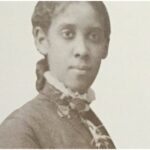
Marcyliena Morgan Turned Hip-Hop into Academic Legacy
Marcyliena Morgan spent her career proving that hip-hop was more than music — it was a movement worth studying. As the founder of the world’s first Hip Hop Archive and Research Institute at Harvard University, she created a space where rap, rhythm, and resistance could be preserved and analyzed like fine art.
Morgan, who passed away at 75, built a bridge between the streets and the classroom. Her work challenged the academic world to take hip-hop seriously as a cultural force that reflects Black and Brown life in America.
“Hip-hop needed to be studied, recorded, preserved, and analyzed because it was a cultural phenomenon,” said Henry Louis Gates Jr., director of the Hutchins Center for African & African American Research at Harvard. “She was right about that.”
The Birth of a Hip-Hop Scholar
Born in 1950s Chicago, Morgan began as a linguistic anthropologist fascinated by how people speak, create, and connect. Her turning point came while teaching at UCLA in the 1990s. As she lectured on urban speech communities, she noticed her students connecting the lessons to the rise of rap music.
At first, she was unsure about hip-hop’s place in higher education. But after studying its language and impact, she realized it was a mirror of society. Hip-hop carried the voices of Black and Brown youth who used rhythm and rhyme to speak truth to power.
“I developed a respect for hip-hop culture because, despite all its excesses and criticism, it remains a rare place where young Black and Brown people are valued,” she wrote in her 2009 book The Real Hiphop. “They are treated as gods and goddesses for representing truth, knowledge, and pride in who they are.”
Creating the World’s First Hip-Hop Archive at Harvard
Morgan’s vision came to life in 2007 when she established Harvard’s Hip Hop Archive and Research Institute — the first of its kind anywhere in the world.
The archive became a living library of hip-hop culture, filled with music, videos, magazines, sneakers, and boomboxes. It connected the academic study of language and art to the real-world creativity of rappers, DJs, and producers.
Her goal was not just preservation but elevation. By housing the archive at Harvard, she sent a bold message: hip-hop was not just entertainment. It was scholarship, protest, and poetry.
A Voice for Black Culture in Academia
Morgan’s work redefined what belongs in the classroom. Through her research and lectures, she helped universities see hip-hop as a global cultural movement, not just a passing trend.
She invited discussions about identity, race, and storytelling through the lens of hip-hop. Her students — and later, scholars across the world — learned that analyzing rap lyrics could reveal deep truths about power, pride, and social change.
Her belief in hip-hop’s power also reflected her belief in Black excellence. By archiving and teaching it, Morgan preserved the creative legacy of a people who turned struggle into sound and resilience into rhythm.
Legacy of a Cultural Pioneer
Marcyliena Morgan’s influence lives on through the archive she founded and the countless students and artists she inspired. Her work continues to shape how universities study culture, language, and the arts.
As a scholar, mentor, and visionary, she transformed how the world sees hip-hop — not as rebellion, but as revelation. Her life’s work reminds us that education should honor every voice, especially the ones born in rhythm and rhyme.
Even after her passing, the Marcyliena H. Morgan Hip Hop Archive & Research Institute stands as a permanent testament to her vision — a world where Black art is studied, respected, and remembered.