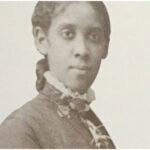
Joseph H. Rainey made history as the first Black congressman to serve in the U.S. House of Representatives. He held office for four terms, during which he became a bold voice for civil rights and equality. His life journey, from slavery to Congress, embodies resilience and the fight for justice.
Rainey’s Groundbreaking Role in Congress
Elected in 1870, Joseph Rainey represented South Carolina in the U.S. House during a turbulent period in American history. His efforts focused on combating racial injustice and promoting equal rights.
In one of his earliest speeches in 1871, Rainey called for federal intervention to protect southern Black citizens from the growing threats of the Ku Klux Klan. He warned, “We know not that the assassin may await our coming, as marked for his vengeance.” His words highlighted the dangers faced by those standing up for civil rights.
Rainey also played a key role in supporting the Civil Rights Act of 1875. He questioned the lack of basic freedoms for Black Americans, asking, “Why cannot we stop at hotels here without meeting objection? Why cannot we go into restaurants without being insulted?”
Early Life and Path to Freedom
Joseph Rainey was born into slavery in South Carolina in 1832. His father, a skilled barber, managed to buy freedom for their family through his earnings. Despite this newfound liberty, the Raineys faced the harsh realities of systemic racism.
During the Civil War, Rainey was forced to work for the Confederate cause. However, in 1862, he and his family escaped to Bermuda, where they found safety and opportunity. After the war, Rainey returned to South Carolina and became politically active, eventually securing a seat in Congress.
Facing Threats and Pushing for Change
Rainey’s advocacy came with significant risks. After his speech supporting federal troops to combat the Ku Klux Klan, he received death threats. One letter chillingly warned him to “prepare to meet your God.”
Despite the danger, Rainey remained steadfast. He believed in the principle of equality before the law, emphasizing that one’s status should not determine one’s rights. This conviction guided his work in Congress and earned him respect from many, even as he faced hostility.
Honoring Rainey’s Legacy
Joseph Rainey’s contributions continue to be recognized today. In 2015, his portrait by Simmie Knox became the first of a Black congressman displayed in the U.S. House of Representatives. Additionally, a room in the Capitol was renamed in his honor.
His great-granddaughter, Lorna, reflected on his life, saying, “It’s not really a Black story or a white story, it’s an American story. It’s the story of someone who rose from nothing to greatness.”