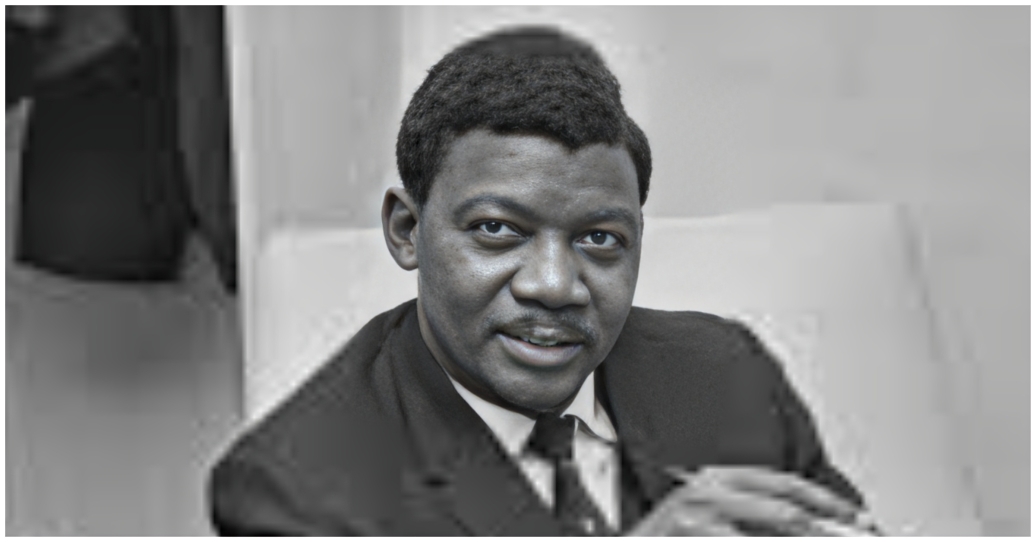
Edson Sithole made history as the first Black person in Southern Africa to earn a Doctor of Laws degree. Yet decades later, many still remember him for another reason. The respected lawyer and nationalist disappeared during Zimbabwe’s liberation struggle and was never seen again.
Sithole became one of the most influential legal and political voices in colonial Rhodesia, now known as Zimbabwe. He helped shape liberation movements, defended Black political rights, and challenged colonial rule through law and activism.
However, his life ended in mystery after he vanished alongside his secretary, Miriam Mhlanga, in 1975.
Edson Sithole Made History in Law and Education
Born in Southern Rhodesia in 1935, Sithole rose during a period when Black Africans faced severe educational and political barriers. Despite those restrictions, he became only the second Black lawyer in the country.
He later earned a Doctor of Laws degree, becoming the first Black person in Southern Africa to achieve that milestone. His academic success carried major symbolic importance during colonial rule.
Sithole continued studying even while facing state restrictions and imprisonment. During one period of confinement, he completed a master’s degree in law through correspondence from the University of London.
Later, while imprisoned again, he completed most of his doctoral studies through the University of South Africa.
Zimbabwe Liberation Movements Benefited From Sithole’s Leadership
Beyond law, Sithole became deeply involved in anti colonial politics. He played leadership roles in several liberation movements fighting white minority rule in Rhodesia.
In 1964, he became publicity secretary for ZANU-PF, then known as the Zimbabwe African National Union. He also served as one of the movement’s major public voices during growing political tensions.
Sithole later helped co found the African National Council in 1971. The group opposed a proposed political agreement between Britain and the Rhodesian government.
That opposition became important because it pressured Britain to abandon the deal. Sithole’s legal thinking and political organizing strengthened the wider liberation struggle.
He also co founded Rhodesia’s African Bar Association in 1973. The organization gave Black lawyers a stronger platform during a deeply unequal legal system.
Edson Sithole’s Disappearance Still Raises Questions
Sithole’s disappearance remains one of Zimbabwe’s most haunting political mysteries. On October 15, 1975, he visited the Ambassador Hotel in downtown Salisbury, now called Harare.
Witnesses later said Sithole and Mhlanga were approached outside by two white men and two Black men. The group reportedly identified themselves as members of Rhodesia’s Special Branch.
The men then escorted Sithole and Mhlanga into a grey Mazda van linked to state security forces. Neither of them was ever seen again.
Rumors later claimed Sithole had been held in government detention centers. However, no confirmed evidence ever emerged about his fate.
Edson Sithole’s Legacy Still Matters Today
Although his disappearance shocked the nation, Sithole’s larger legacy stretches far beyond that tragic event. He represented a generation of African intellectuals who used education and law to challenge colonial systems.
His work also showed the risks faced by liberation leaders who remained inside Rhodesia during the independence struggle. Unlike many activists who went into exile, Sithole stayed and continued organizing from within the country.
Today, historians continue revisiting his contributions through books and research projects. Many now argue that Sithole deserves greater recognition for shaping Zimbabwe’s liberation history and Black legal advancement in Southern Africa.