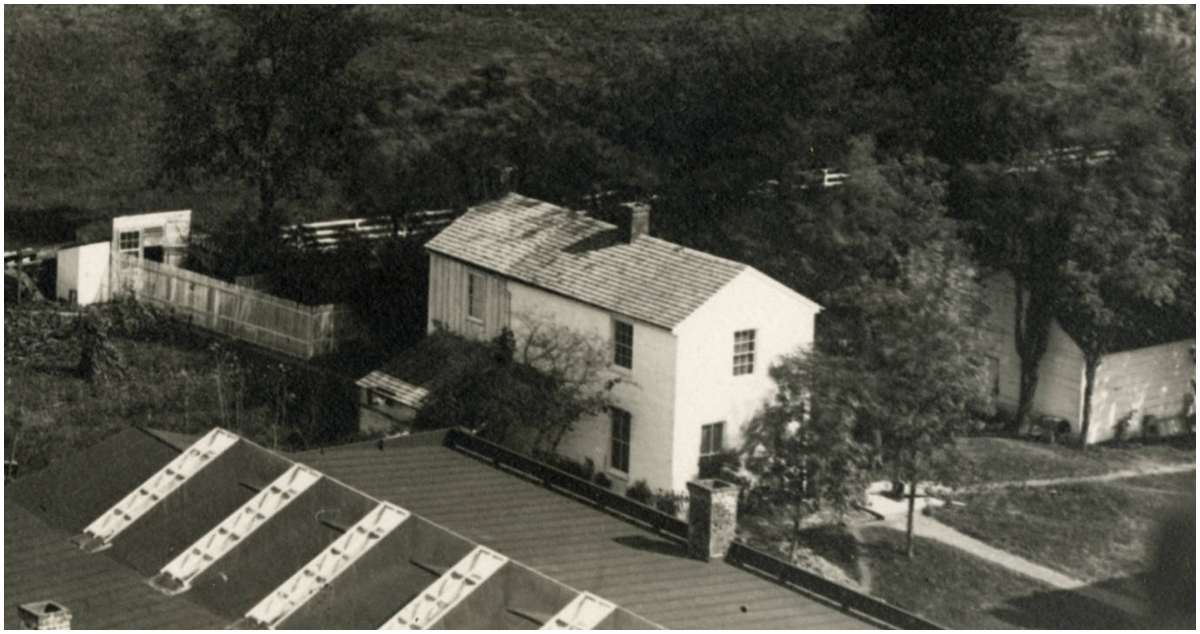
A New Chapter for Gettysburg’s Black History
A powerful campaign is underway to restore the historic Hopkins House in Gettysburg and transform it into the city’s first museum dedicated to Black history. The effort, led by Gettysburg History and The Lincoln Cemetery Project Association, is already halfway to its $2 million goal, with more than $1 million pledged.
The museum will celebrate the lives and legacies of early Black residents, including Jack and Julia Hopkins, whose courage and resilience helped shape Gettysburg’s African American community. Their 1840s log home, located at 219 South Washington Street, stands as one of the last physical links to that era.
Honoring Jack and Julia Hopkins’ Legacy
Jack Hopkins, a respected janitor at Gettysburg College, purchased the home in 1857 from Underground Railroad conductor Abraham Brian. He and his wife Julia raised their family there, leaving behind a story of perseverance and purpose. Their eldest son, Edward Hopkins, served in the United States Colored Troops during the Civil War and later became Gettysburg’s first Black elected official.
This family’s story reflects the broader struggle and triumph of free Black Americans before, during, and after the Civil War. The Hopkins House offers a rare opportunity for visitors to connect personally with that history.
Restoring the 1840s Home for Future Generations
After years of neglect, the Hopkins House was at risk of condemnation. Preservation experts have since stabilized the structure and confirmed that its original pre–Civil War logs remain intact. Organizers plan a full restoration that returns the house to its Civil War-era appearance while ensuring accessibility for all visitors.
A new visitor center will also be built to host school groups, community programs, and traveling exhibits. Leaders hope the restored site will serve as a living classroom where students and visitors alike can experience stories of courage, freedom, and self-determination.
A Vision Rooted in Education, Pride, and Preservation
Plans for the museum include immersive exhibits, rare artifacts, and shared office space for the nonprofits leading the project. Organizers envision the site as a “center for preservation, education, and community pride,” where the stories of Gettysburg’s early Black residents will inspire generations to come.
Jean Howard-Green, president of the Lincoln Cemetery Project Association, expressed excitement about the museum’s potential impact. “The Hopkins House stands for more than just a building,” she said. “It’s a symbol of strength and survival.”
Community Support Building Momentum
Community members and history lovers across the country are invited to support the campaign. Donations can be made online, by mail, or through special giving options like IRA distributions and stock transfers.
Every contribution helps bring the Hopkins House closer to reopening its doors as a place where local and national visitors can explore the powerful stories of Gettysburg’s Black community. Andrew Dalton, president and CEO of Gettysburg History, emphasized the project’s significance, noting, “This is about preserving truth and honoring those whose courage shaped our shared past.”