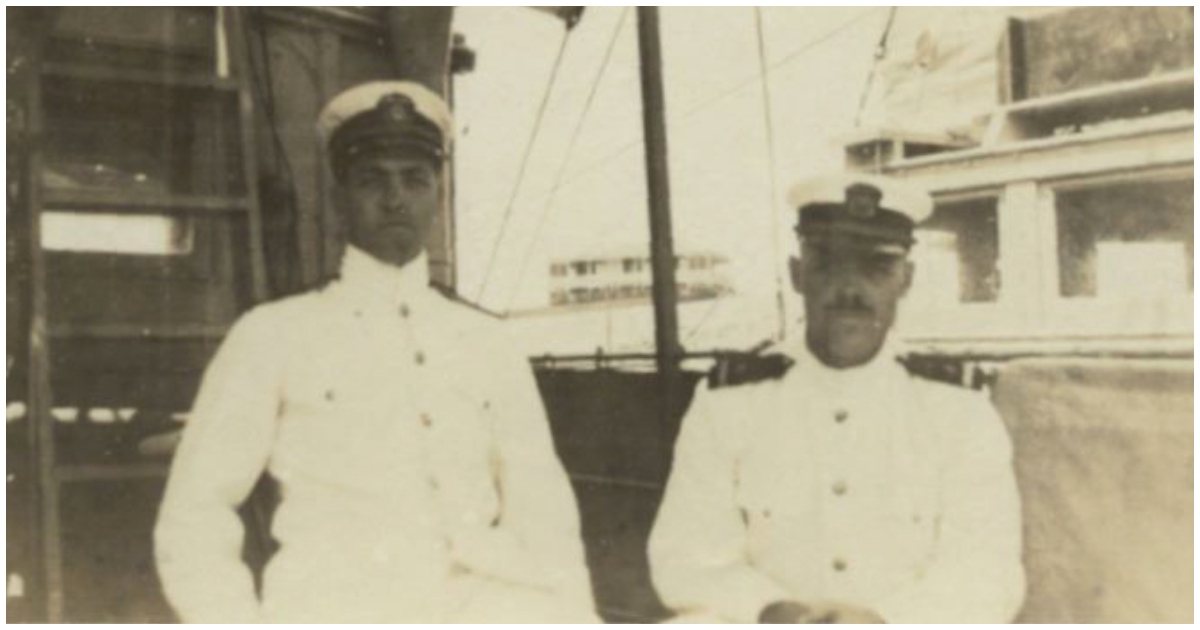
Honoring a Trailblazing Navy Cross Recipient
Garrison Payne, a pioneering African American naval officer, has long been overlooked for his courageous service during World War I. Despite being the first Black commissioned officer in the U.S. Navy, his remarkable story has remained obscured – until now.
Payne’s bravery and leadership as the commanding officer of the USS SC-83 submarine chaser have finally been brought to light, shedding new light on the Navy’s complex racial history. His award of the prestigious Navy Cross for hazardous duty highlights the significant contributions of Black servicemembers, even in the face of widespread discrimination.
Uncovering a Hidden Naval Pioneer
Born in 1881 to a White mother and Black father in Indiana, Payne’s path to becoming a naval officer was anything but straightforward. Faced with the pervasive racism of the era, he managed to quietly break barriers, ultimately serving for five decades with distinction.
Payne’s commissioning in 1917 came decades before the Navy’s integration efforts, making his achievements all the more remarkable. He commanded several vessels, including the minesweeper USS Teal and troop ship USS Zeppelin, in addition to the USS SC-83.
Challenging the Navy’s Racial Restrictions
Payne’s rise through the ranks was hindered by the Navy’s own discriminatory policies. During his service, the number of Black sailors plummeted, as the Navy instituted unofficial bans on their enlistment. Despite his qualifications and experience, Payne faced obstacles in being assigned to positions of authority over white sailors.
Even after being awarded the Navy Cross, Payne was eventually reverted to the rank of Chief Boatswain’s Mate, underscoring the systemic racism he navigated throughout his career. His story illuminates the broader challenges faced by Black servicemembers during this period, as the Navy rolled back progress towards integration.
A Call to Honor a Forgotten Hero
As the Navy continues to grapple with issues of diversity and inclusion, Garrison Payne’s legacy serves as a powerful reminder of the sacrifices and struggles of trailblazing African American officers.
By shining a light on his remarkable service, we can inspire future generations of sailors and acknowledge the crucial role of Black leaders in the Navy’s history.