Illinois Voting Rights History and David Strother First African American Vote
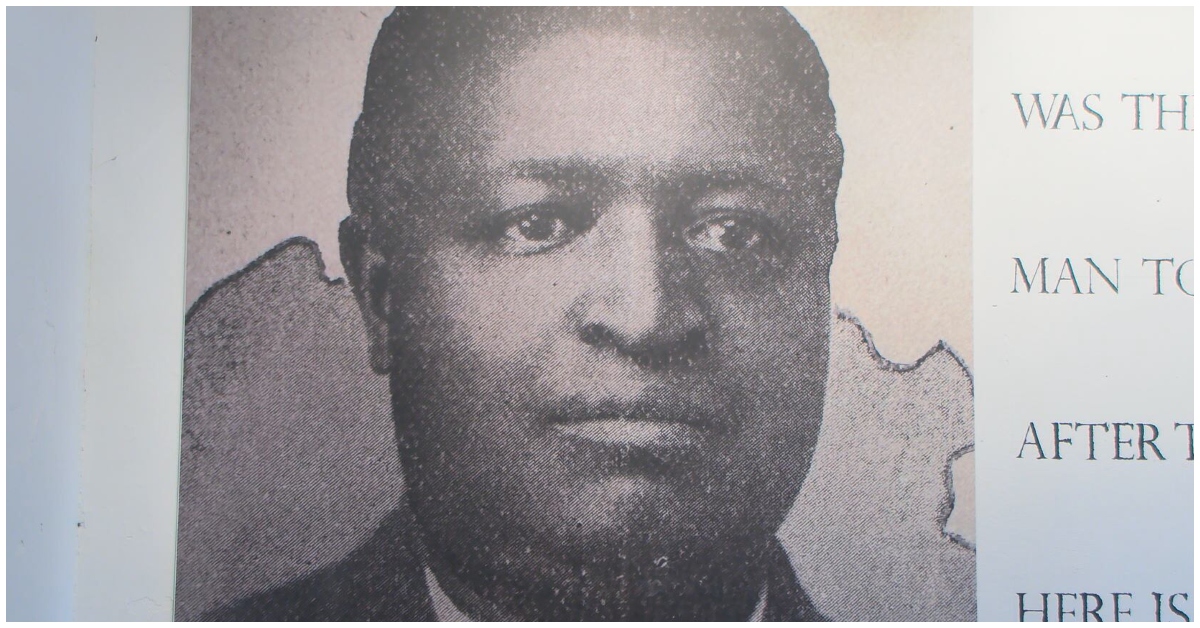
An El Paso barber named David Strother cast the first known African American vote in Illinois after the 15th Amendment was confirmed. His vote came after an early rejection at the polling place.
The event happened on April 4, 1870, shortly after Black men gained the legal right to vote under the 15th Amendment. Strother first believed he had full voting rights when he arrived at the polls. However, an election judge initially turned him away.
Later that same day, officials confirmed the amendment had been properly ratified. Strother was then called back. He returned and cast his ballot, marking a key moment in Illinois voting history.
15th Amendment Voting Rights and Initial Election Denial in El Paso
Strother’s experience shows the confusion that followed the 15th Amendment. Although the law granted Black men the right to vote, local enforcement was inconsistent. This led to early denial at the polling place.
According to historical accounts, one election judge said he was not aware of the 15th Amendment. After Strother was turned away, he went back to his work as a barber. Hours later, the situation changed when officials confirmed the law’s status.
He was then summoned again to vote. This second visit allowed him to cast what became recorded as the first African American vote in Illinois. The moment highlighted both progress and resistance during Reconstruction.
Project XV Museum Preservation of El Paso Civil Rights Story
Today, Strother’s story is preserved at the Project XV Museum in El Paso. The museum was created through a school project led by local students and educators.
The space focuses on voting rights history across the United States. It also highlights the struggles faced during Reconstruction and beyond. Museum leaders say Strother’s experience remains deeply relevant today.
“The kids really thought it was interesting. And they’re like, we got to do something. We got to tell his story,” said Michael Melick, an educator involved with the project. The museum continues to educate visitors about voting access and civic participation.
Voting Rights Challenges and Lessons from Reconstruction Era Illinois
Experts connected Strother’s story to broader voting rights struggles. They note that similar issues of access and exclusion still appear in different forms today. This makes the historical case more meaningful.
Brian Ulrich, curator at the museum, said the fight for rights continues across generations. He explained that patterns of disenfranchisement have appeared in different periods of American history.
The museum also highlights that voting rights struggles were not limited to race alone. Women and other groups also faced exclusion in early American democracy. These comparisons help visitors understand the wider context of voting access.
Legacy of El Paso Barber David Strother in American Democracy
Strother’s moment at the polls remains a powerful reminder of civic determination. His return to vote after rejection shows persistence during uncertain legal times. It also reflects early Reconstruction challenges.
His story is now part of educational exhibits and community programs. These efforts ensure that local history is not forgotten. It also connects past struggles with present discussions on voting rights.
The El Paso barber’s experience continues to inspire conversations about fairness and access. His ballot in 1870 remains a symbol of early participation in American democracy.