
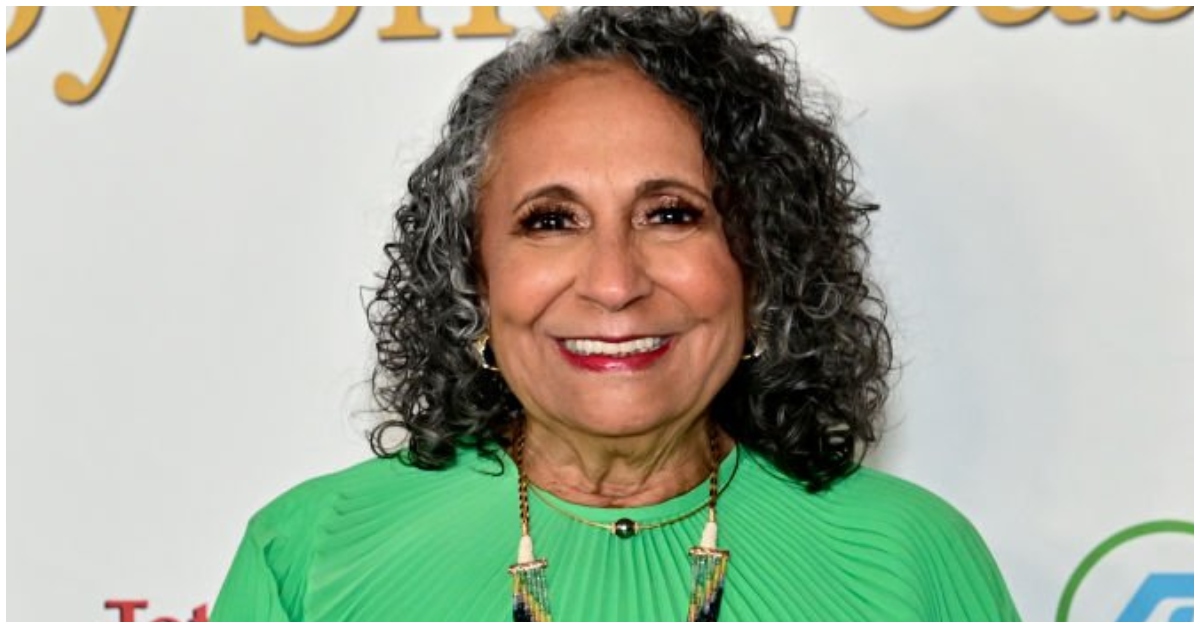
For over five decades, Cathy Hughes has been a force in Black media, reshaping how African American stories are told and who gets to tell them. Recently honored with the key to Washington, D.C., Hughes’ impact on the nation’s capital and communities across America is undeniable.
But her legacy extends far beyond this symbolic gesture. Hughes made history as the first Black woman in the United States to lead a publicly traded company—a groundbreaking achievement that opened doors for countless others. However, what truly sets her apart is the empire she built and the voices she amplified along the way.
The Quiet Storm That Changed Radio Forever
Hughes’ journey began at WHUR in Washington, D.C., where she started as an administrative assistant for broadcaster Tony Brown. Her talent and drive quickly propelled her through the ranks—from sales manager to general manager and vice president.
As general sales manager, she boosted station revenue by an impressive $3 million. But her most lasting contribution came in 1976 when she collaborated with Howard University student Melvin Lindsey to create the Quiet Storm format. This innovative program, featuring slow jams, romantic ballads, and jazz, wasn’t just a playlist—it was a cultural movement.
Hughes helped conceptualize the show and even suggested its memorable name. The format resonated deeply with listeners, proving that Black audiences were both culturally influential and economically powerful.
Proof That Black Audiences Matter
The Quiet Storm didn’t just attract listeners—it shattered ratings expectations. WHUR skyrocketed from No. 20 to No. 3 in the rankings, and within a year, the program dominated its time slot at No. 1. Advertisers took notice, and revenue followed.
This success reinforced Hughes’ conviction: Black audiences represented untapped potential. She understood that media ownership wasn’t just about business—it was about empowerment. And she wanted more than influence. She wanted ownership.
Buying WOL: A Commitment to Community
In 1980, Hughes and her then-husband Dewey Hughes purchased WOL radio station in Washington, D.C., for nearly $1 million. Her vision was ambitious: a 24-hour Black news and talk format covering everything from politics to finance to faith.
Hughes championed advocacy journalism—a belief that media should inform, uplift, and give voice to the community. During Washington’s crack epidemic, she ensured WOL remained deeply connected to the people it served.
As DJ Konan recalled, “She wanted to change that whole corridor. She made sure we stayed in the community.”
Information Is Power
Hughes used WOL as a platform to address pressing issues affecting Black Washingtonians. She didn’t just broadcast—she listened. She engaged directly with residents, understanding their struggles and amplifying their concerns.
Her commitment extended beyond the airwaves. Alongside her son Alfred and DJ Konan, she participated in Reading Is Fundamental programs, reading to children and encouraging education. Her guiding philosophy was simple yet profound: “information is power.”
This principle drove everything she did—from news coverage to community outreach to business strategy.
Building an Empire: The Birth of Urban One
What started as a single station grew into Radio One, now known as Urban One—the largest Black-owned broadcast company in the nation. Under Hughes’ leadership, the company expanded to over 70 stations, creating unprecedented opportunities for Black talent and audiences.
Her list of firsts is remarkable: the first woman to own a No. 1 radio station in a major market, the first woman vice president and general manager of a D.C. radio station, and the creator of the first 24-hour gospel radio show. Each milestone reflected her relentless focus on expanding Black media ownership.
A Legacy of Lifting Others
Perhaps Hughes’ greatest achievement isn’t her business success—it’s the people she helped along the way. Generations of Black radio personalities, including Russ Parr, Tom Joyner, Donnie Simpson, and Melvin Lindsey, launched or advanced their careers through her company.
Marc Clarke, a former Radio One DJ, captured her impact perfectly: “She made millionaires.” He noted that many industry figures got their first big break through Hughes’ platform, which became a training ground for Black media talent.
Always Looking Forward
Even after decades of groundbreaking work, Hughes shows no signs of slowing down. When asked about receiving the key to Washington, D.C., her response revealed the mindset that has kept her relevant for so long:
“I am always thinking in terms of what’s next.”
She doesn’t dwell on past victories. Instead, she stays focused on the future, constantly seeking new opportunities to grow and make an impact.
An Unfinished Legacy
Cathy Hughes’ story is one of business brilliance, community service, mentorship, and cultural transformation. She has reshaped how Black audiences are represented in media and created pathways for others to follow.
Broadcaster Dyana Williams, a longtime friend, noted a key part of her legacy: being the first Black woman in the U.S. to head a publicly traded company.
But as Johnny “Porkchop” Doswell wisely observed, her full legacy may still be unfolding: “We don’t know what her legacy is yet, because she’s not done yet.”
For Cathy Hughes, the journey continues—and so does her impact on Black media and beyond.




Leave a Reply